Get Full Government Meeting Transcripts, Videos, & Alerts Forever!
Get email alerts on the Local Economy topic
No spam. Unsubscribe anytime.
Council reopens food‑truck ordinance; staff to rework permit and application
Summary
Council resumed work on a proposed food‑truck ordinance, debated scope (public vs. private property), permit duration, enforcement and liability, and asked staff to revise the draft to rely more on the facility‑use (special‑events) application process before returning it to council.
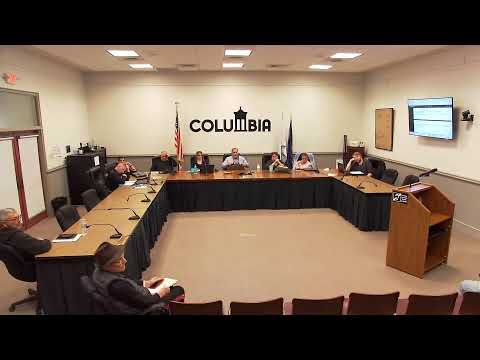
Council members reopened a long‑running discussion of a draft food‑truck ordinance at the April 7 work session, asking staff to simplify the proposal and fold much of the enforcement work into the borough’s existing facility‑use/special‑event application process.
The discussion, led by the legislation chair and drawing extensive comment from council members and staff, focused on three contested issues: whether the ordinance should regulate food trucks only when they operate in public space, how long a permit should last, and how the borough would enforce location, hours and safety rules. “Defining public space” and permit duration were singled out as the primary sticking points, members said.
Pam Armold, who handles event applications for the borough, told council that when food trucks are part of an organized event the organizer currently gathers truck paperwork (vehicle registration, driver’s license, food‑safety license and at least one person who is ServeSafe certified) and submits a single packet to the police/events office for review. She said that approach reduces duplicate paperwork and recommended the council consider having facility‑use approvals serve as the operative permission for event‑based food trucks.
Several council members said they supported operating rules—hours, limits on continuous parking, waste cleanup obligations, and a 150‑foot buffer from brick‑and‑mortar restaurant entrances without written consent—but disagreed about whether the borough should issue a separate permit that would expire every 30 days. One council member called 30 days “excessive” and proposed a six‑month or seasonal permit instead; others proposed making an event’s approved facility‑use request the basis for permission during the event’s approved dates.
Liability and enforcement were recurring concerns. Some members warned that issuing permits could create a perception of borough responsibility if customers fall ill or other incidents occur; others argued that minimum insurance requirements (the draft includes a $500,000 minimum) and clear expectations on the application would protect the borough and the public. Staff and council members acknowledged they currently lack the enforcement capacity to perform routine field checks on every food truck and said expectations should be spelled out so that health inspectors or spot investigations can be pursued if complaints arise.
After extended debate about fees, permit duration and whether the facility‑use process can cover non‑event vendors who wish to operate on public property, council directed staff to rework the ordinance text and revise the food‑truck application to make requirements clear. The revised draft and updated application will be returned to a future workshop for further review.