Get Full Government Meeting Transcripts, Videos, & Alerts Forever!
Get email alerts on the Immigration Policy topic
No spam. Unsubscribe anytime.
Lynwood offers 'Know Your Rights' training amid reports of ICE activity and community anxiety
Summary
District student-services staff presented immigration enforcement protocols and resources, citing AB699 and Board Policy 5145.13; trustees and community members pushed for legal funds, hotlines and summer outreach after reports of aggressive local ICE activity.
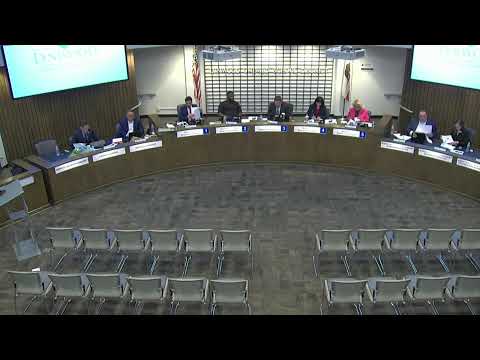
Lynwood Unified School District staff on June 26 ran a "Know Your Rights" presentation for trustees and the public, outlining district protections for students and families and steps staff will take if Immigration and Customs Enforcement appears at a school.
Jose Hari, assistant director of student services, and community schools staff described the district’s protocol: staff will refer ICE agents to the school administrator who will immediately notify the district office; employees will not collect or share immigration-status information; and ICE agents may not come onto school grounds without prior written approval from the superintendent or a lawfully executed court order signed by a judge. Hari said the district has posted a web page and distributed red cards that families can present to agents asserting Fourth and Fifth Amendment protections.
Presenters said the guidance aligns with California law AB699 and a January 31, 2025 California Department of Education notice that schools should remain safe spaces; the presentation also referenced an executive order signed Jan. 20, 2025, that federal officials issued around enforcement at sensitive locations.
Board members and community speakers pressed staff on operational details. Trustees asked what happens if emergency-contact lists fail; staff said every student must have emergency contacts as part of enrollment but acknowledged that child protective services could be called if no contact is reachable. Several trustees and community members urged the district to develop an emergency hotline, summer outreach to verify contact information, role-playing drills for staff, and partnerships to provide legal representation and emergency bonds for families who cannot afford counsel.
Multiple community speakers described local ICE operations and expressed fear about indiscriminate detentions. One community speaker urged the district to consider a legal-defense fund for families, estimating bond and legal costs in some cases could average about $20,000. District staff said community schools case managers and partner organizations can provide ongoing support, and committed to posting the presentation slides and resources online.
The board did not adopt new policy or allocate funds at the meeting but agreed to continue communications and follow up on several operational recommendations ahead of the new school year.