Get Full Government Meeting Transcripts, Videos, & Alerts Forever!
Get email alerts on the Budget Overview topic
No spam. Unsubscribe anytime.
Milwaukee superintendent unveils $1.615 billion budget to close $46 million shortfall while boosting classroom staff
Summary
Superintendent Brenda Cassellius presented a $1.615 billion 2026–27 budget that aims to close an audited $46 million deficit by shifting central-office staff to schools, adding classroom teachers and paraprofessionals, reducing some contracts and using short-term charter-related savings; administration cautioned some wage increases would be phased and limited public discussion of bargaining was restricted by an ongoing WERC proceeding.
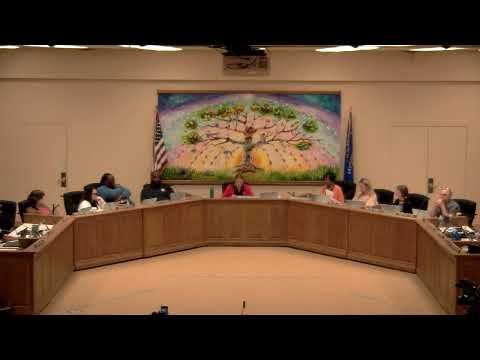
Dr. Brenda Cassellius, Milwaukee Public Schools superintendent, presented the district’s proposed $1.615 billion 2026–27 budget at the committee meeting, telling directors the plan is built to put "resources closest to our students and classrooms" while addressing an audited $46 million deficit in the district’s main operating fund.
The proposal budgets $1.615 billion in revenue and $1.597 billion in expenditures, supporting more than 60,000 students and roughly 9,500 educators and staff. Cassellius said the package aims to add roughly 150 classroom teachers and additional paraprofessionals, protect art, music and physical education positions required under the district referendum, and create new instructional-facilitator roles linked to the district’s literacy plan. "This budget puts our resources closest to our students and classrooms while addressing our $46 million deficit," she said.
CFO Aasawa provided line-item detail, identifying principal contributors to the deficit: underbudgeted debt service, nutrition fund shortfalls, salary and busing overages and previously underbudgeted revenue items. "Our audited financial statements identified this $46 million deficit in the district's main operating fund (Fund 10)," Aasawa said, noting the district has taken steps to remediate the debt-service and nutrition funds for FY27 and is implementing tighter budget controls and reporting tools.
Administration said the budget pairs investments—more teachers and paraprofessionals, steps and lanes for eligible employees, and a phased cost-of-living approach—with savings including $18.2 million from central-office realignment, an estimated $30 million from a strategic reduction in force, and a decrease in purchased services and contracts (roughly $6 million identified). The presentation also attributes approximately $40 million in short-term savings to charter schools leaving district authorizers (three-year averaging mechanics that reduce contractual payments while maintaining some hold-harmless revenue).
Cassellius framed the budget as both fiscal repair and an instructional shift: "We are redirecting resources closest to students, investing in our people, and making tough decisions to restore our fiscal health," she said, citing low literacy outcomes and declining enrollment as drivers of the plan. The administration emphasized that several details—including the timing of wage increases tied to collective bargaining—are constrained by an active proceeding before the Wisconsin Employment Relations Commission and that board members and staff will not answer substantive bargaining questions at public meetings.
The committee did not vote on the budget; the item was presented as informational. The board scheduled further budget hearings and committee meetings in May, with the full board expected to consider the budget later in the month.