Get Full Government Meeting Transcripts, Videos, & Alerts Forever!
Get email alerts on the Budget topic
No spam. Unsubscribe anytime.
Boston council reviews Fire Department FY27 budget as cadet program expands
Summary
At a May 11 Ways and Means hearing, Fire Commissioner Rodney Marshall outlined the Boston Fire Department’s FY27 funding request focused on preserving service levels amid inflation, maintaining staffing and supporting the Cadet and hybrid hiring programs that the department says are improving diversity and recruitment.
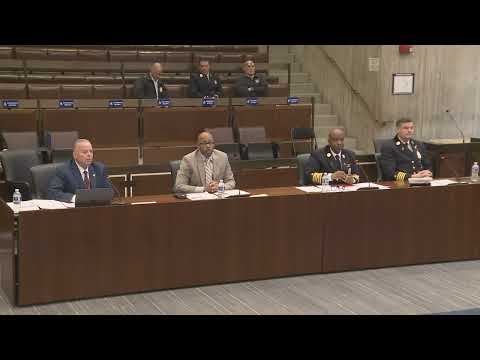
The Boston City Council’s Ways and Means Committee on May 11 held a hearing on the Fiscal Year 2027 operating budget for the Boston Fire Department, hearing from new Fire Commissioner Rodney Marshall and department leaders about personnel, recruitment and training priorities. The department asked the committee to approve a budget the commissioner called “a careful and responsible assessment of the department’s operational needs.”
Why it matters: Councilors pressed officials to confirm there would be no personnel reductions in front‑line suppression and emergency response, and heard that recent collective bargaining and new cadet hires are the primary drivers of staffing cost increases. The department argued the overall increase is designed to preserve response capacity while supporting new initiatives such as the Cadet program.
What officials told councilors: Marshall, joined by Deputy Commissioner Kevin Coyne, Deputy Chief Scott Malone and Recruitment Officer Michael Gaskins, said the Cadet program and a hybrid hiring pathway are intended to increase diversity and recruit Boston residents. “We’re casting a large net over the City of Boston for our applicant pool,” Gaskins said, describing a hybrid process that reserves a portion of openings for locally rooted candidates who meet a three‑year residency threshold. Officials said recent cadet classes produced record numbers of women candidates and that many cadets hold EMT certification before academy appointment.
Staffing and costs: Councilors asked where the personnel increases originate; the department said most of the rise in the personnel budget is tied to recent collective bargaining settlements that raised compensation. Officials confirmed there are no planned cuts to suppression personnel and that a class of 52 firefighters graduated in April.
Training and operational investments: The department highlighted investments in training (including MBTA rail cars and a smoke house at Moon Island), new marine vessels and an in‑house nozzle developed for lithium‑battery fires. The department said federal and state grants have funded many training innovations but also warned that federal grant uncertainty complicates planning.
What’s next: Councilors signaled support for preserving personnel levels but asked for additional detail about timelines for classes and the cadence of cadet-to‑academy transitions. The department said it will provide further cost and scheduling information and urged the council to consider how grant volatility affects sustained services.