Get Full Government Meeting Transcripts, Videos, & Alerts Forever!
Get email alerts on the Small Business Relief topic
No spam. Unsubscribe anytime.
Lawmakers, business owners urge $100 million relief after 'Operation Metro Surge' hit immigrant corridors
Summary
Lawmakers and small-business owners told a Minnesota House hearing that federal immigration enforcement known as Operation Metro Surge caused widespread revenue losses and urged the Legislature to approve a $100 million relief package the Senate already passed; negotiators said passage in the House depends on reaching a cross‑party agreement with only days left in the session.
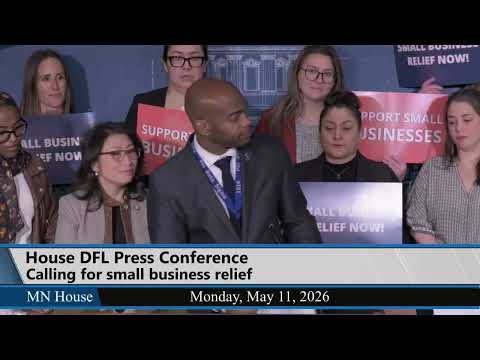
Representative Cedric Fraser opened a Capitol hearing on impacts from federal immigration enforcement operations, saying the Minnesota Senate has already approved a $100 million economic relief package and urging the House to take similar action as the legislative session nears adjournment. “We still have some time to get this done for small businesses,” he said, framing the hearing as an opportunity to hear directly from affected owners and community advocates.
State Representative Jay Shaw said businesses in his district and across the Twin Cities saw immediate and severe losses after the enforcement activities, that in some places customers and employees stayed home out of fear, and that the damage will continue unless lawmakers act. “This is cruelty dressed up as policy,” Shaw said of efforts to link relief to unrelated bargaining demands. He and other lawmakers cited past Minnesota disaster responses — including multi‑million‑dollar relief packages after floods and other crises — as precedent for state action.
Community organizers and business owners gave specific examples of the harm. A statewide grassroots organizer identified in the transcript as Emilio said hundreds of businesses and workers across Minnesota are still recovering, and urged accessible relief and a long‑term strategy to rebuild trust. A West Side restaurant owner described daily revenue losses during closures and continuing customer fear. Alex West, co‑founder and CEO of the Coven, said two co‑working sites sustained a 33% drop in revenue in January, forcing a layoff and a loss of recurring bookings; he also described specific safety incidents near those locations that depressed member use.
Speakers offered statewide damage estimates cited in testimony. Representatives and witnesses referenced a figure of roughly $600 million in lost business revenue across Minneapolis and Saint Paul and an estimated $20 million to $40 million hit to wages in that metro area; Lake Street advocates gave a local estimate of about $57,000 in lost revenue per small business. Those figures were presented as speaker estimates rather than formal audited totals.
Senator Susan Pond described repeated in‑person visits to affected businesses, saying many operators were in tears and did not know how they would survive. “A $100 million small‑business recovery fund is how we can help,” she said, calling the proposal an investment rather than a handout.
Lawmakers and advocates described the legislative path as constrained by timing and negotiations. Speakers noted the Senate has passed relief, but House consideration would require committee approval and at least some Republican support or a conference committee compromise. Representatives said leadership were continuing conversations and that a narrow window remained — multiple speakers noted there were only days left in the session.
Several advocates urged the Legislature to prioritize grants and forgivable loans over additional debt, and to design aid that is accessible to immigrant‑owned and culturally‑anchored small businesses. Testimony repeatedly stressed urgency: witnesses said delayed action would result in closures, lost jobs and long‑term decline in neighborhood commercial corridors.
No formal vote on a House measure occurred during the hearing; lawmakers described ongoing negotiations and potential avenues to move relief, including committee action or conference negotiations with the Senate. The hearing concluded with lawmakers expressing continued attention to the issue and cautious optimism that a path to funding could be found before adjournment.