Get Full Government Meeting Transcripts, Videos, & Alerts Forever!
Get email alerts on the Budget topic
No spam. Unsubscribe anytime.
Parks leaders warn FY27 will rely more on outside funds as operating budget tightens
Summary
At a May 11 hearing, Boston Parks leaders told the City Council the FY27 operating budget is essentially level while the department plans temporary shifts of some services onto external funds (Fund for Parks, IRA and grants) to sustain maintenance and programs amid rising costs.
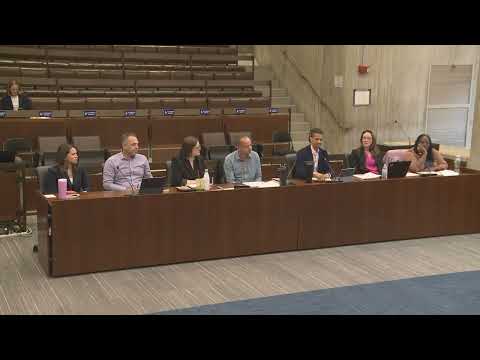
Chair Ben Weber convened the Boston City Council Ways & Means hearing on May 11, where Parks & Recreation leaders outlined accomplishments in FY26 and the department’s proposals for FY27. Department officials said the operating budget is essentially level but that rising costs and heavy summer demand will require temporarily shifting some services and contracted work to external funding sources, including the Fund for Parks and one-time federal Inflation Reduction Act allocations.
Parks Interim Commissioner Kathy Baker described recent year-over-year increases in permits and service demand — including more than 5,500 permits and an expanded set of maintenance contracts — and said the department will seek to preserve core services while leveraging outside funding for specific programs. Finance Director Tracy Lee confirmed the operating line is projected to fall from about $37.0 million in FY26 to $36.6 million in FY27, while external funds are projected to rise from roughly $8.5 million to $9.17 million, funded in part by IRA monies and the Fund for Parks.
Councilors pressed department leaders on what the funding shifts mean for everyday park upkeep. Multiple councilors expressed concern that temporarily moving contracted services onto the Fund for Parks or reserves could become a longer-term change. Lisa Meyer, president of Friends of the Public Garden, urged vigilance: “These spaces are not amenities ... they’re part of our essential city civic infrastructure,” and warned that gains in canopy and park services could backslide if operating support erodes.
Parks staff said the moves are intended to be one-time or temporary; sources tapped this year include IRA-allocated funds for tree work and established reserves in the Fund for Parks that were built up during prior fiscal cycles. The department emphasized that the approach is not sustainable every year and that they will continue to pursue grant and philanthropic partnerships as well as cost‑recovery measures — for example, floodlighting fees ($25/hour residents; $50/hour nonresidents) and event user fees — to offset event-related repairs and energy costs.
The hearing yielded no formal vote. Councilors requested follow-up detail on the precise composition of external funds and the elements being shifted from the operating budget, and Parks agreed to return with a line-item breakdown. The department also reiterated it will prioritize core maintenance, public programming, and tree work but may need to sequence or delay lower-priority capital work if persistent revenue shortfalls continue.