Get Full Government Meeting Transcripts, Videos, & Alerts Forever!
Get email alerts on the Workforce topic
No spam. Unsubscribe anytime.
Council questions low wages and staffing gaps for mechanics and parking enforcement as new revenue tools scale up
Summary
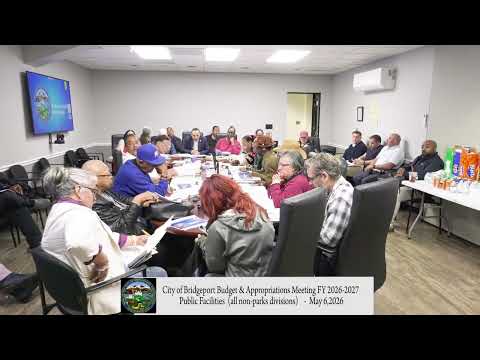
Councilors pressed public facilities staff on persistent mechanic shortages in the municipal garage, low starting wages for maintenance and enforcement personnel, and the need to invest revenue-generating parking enforcement tools (barnacles and QR payment devices) to sustain collections.
Council members used the budget hearing to highlight a pattern: revenue-generating programs (parking enforcement and new payment/boot technologies) are expanding, but frontline staff who deliver those services — mechanics, parking enforcement officers and seasonal workers — remain difficult to recruit and retain at current pay levels.
Mechanics and fleet: Staff said the municipal garage is understrength (about five mechanics on staff versus a recommended 15–16 for a fleet of this size). The transcript recorded current top-step mechanic pay at about $38 per hour (roughly $75,000 annually) with staff recommending higher rates to compete regionally. Council members noted a recent union contract adjustment that should help recruitment but urged the administration to revisit starting pay for lower-grade positions that have historically lagged market rates.
Parking enforcement and revenue tools: Parking enforcement staff outlined two technology pilots — wheel clamps ('barnacles') and phone/QR payment devices (referred to in the record as a mobile payment/QR 'passport' or 'safety sticks'). Early pilot results were presented: revenue recovered from pilot barnacle devices was cited at about $84,891, and camera/violation systems at train-station locations produced gross revenues reported around $104,000 (split with a vendor). Staff requested additional devices (the parking pilot asked for five barnacles and expanded enforcement staffing) and argued that revenue-driven enforcement units should be funded to improve collections and public compliance.
Wages and contracting constraints: Multiple speakers reminded the committee that most frontline positions are unionized and that pay changes typically follow collective-bargaining processes; several members nevertheless asked for short-term adjustments or targeted increases for revenue-generating units to reduce turnover.
What happens next: Staff said the union negotiations and recent contract approvals will take effect July 1 and are expected to help recruitment; council members asked for a follow-up personnel schedule, more precise revenue forecasts tied to device counts, and an accounting of how enforcement revenue will be used to sustain operations.