Get Full Government Meeting Transcripts, Videos, & Alerts Forever!
Get email alerts on the Land Use Solar topic
No spam. Unsubscribe anytime.
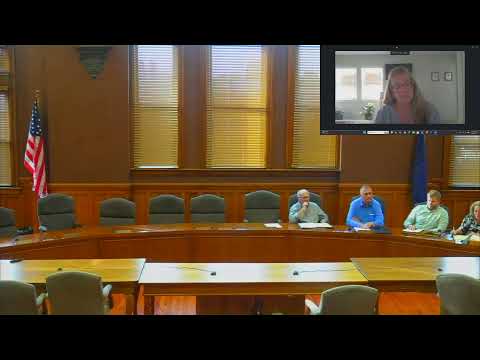
Pulaski County commissioners decline one‑year moratorium on commercial solar applications after public debate
Summary
After extended discussion and public comment, the Pulaski County Board of Commissioners voted 2–1 on May 4, 2026, to deny a proposed 12‑month moratorium (Ordinance No. 042026) that would have paused acceptance of new commercial solar energy system permit applications.
The Pulaski County Board of Commissioners on May 4 voted 2–1 to deny a proposal to impose a 12‑month moratorium on acceptance of new commercial solar energy system (CSES) permit applications. The ordinance, read into the record as Ordinance No. 042026, had been recommended 6–0 by the county Plan Commission and would have barred new CSES application acceptance for 12 months beginning May 4, 2026 while zoning and regulatory amendments were studied.
Supporters of the moratorium said county ordinances are currently insufficient to protect residents and landowners and that a pause would allow time for the county to develop stronger setback, lighting, decommissioning and mitigation standards. One commissioner urging the moratorium argued the county has “nearly 85% of our ground that is at risk” and said additional protections are needed for property values and residents’ quality of life.
Opponents said the county’s existing ordinances and ongoing agreements govern permit applications and that a moratorium would not affect projects already in the pipeline. County staff and other commissioners noted that applications and economic development agreements generally trigger a sequence of site‑specific steps—road use plans, ditch plans, decommissioning plans and EDA negotiations—before a permit is issued.
Public comment at the meeting included both opposition and support for solar development. A local resident said solar projects would help farmers on marginal ground, while another attendee said recent tax bills rose despite promises that solar would reduce taxes. A speaker who reviewed a referenced Stark County study disputed its applicability, saying none of the 70 properties in that study actually had on‑site solar installations.
The board’s vote was 2 in favor of denying the moratorium and 1 opposed. The motion’s immediate effect is to allow the county to continue processing new CSES applications under current ordinances and any project‑specific agreements in place. County staff said they will continue work on ordinance amendments and other regulatory tools.
The APC recommendation and the proposed moratorium text were entered into the public record; the ordinance language as presented excluded projects that already had affirmative action or approvals from the Board of Commissioners and County Council prior to the proposed moratorium’s effective date.
What happens next: Commissioners did not adopt the moratorium, and staff indicated further work on zoning amendments and decommissioning/road use requirements will continue. The county also heard related project and infrastructure updates during the meeting.