Get Full Government Meeting Transcripts, Videos, & Alerts Forever!
Get email alerts on the Data Center topic
No spam. Unsubscribe anytime.
Residents urge Putnam County Commission to oppose Buffalo data center and press for public review of HB 2014
Summary
Dozens of Putnam County residents and local candidates told commissioners that a proposed 1,700‑acre AI data center near Buffalo threatens water, noise and property values and urged the board to pursue a non‑binding resolution and public information sessions; commissioners said state law limits local authority under House Bill 2014.
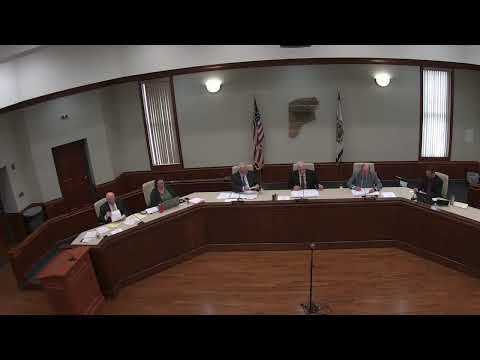
Dozens of Putnam County residents used the public‑comment period at the April 14 commission meeting to press officials to oppose a proposed 1,700‑acre AI data center near Buffalo and to seek more public review of House Bill 2014.
Speakers including Mr. Morgan, Marilyn Foss and Heather Ransom described concerns about noise, water discharges, and potential health effects and said the new facilities often expand into clusters rather than staying a single building. “They tell people that they’re not noisy, they don’t pollute,” Mr. Morgan said, adding that experience elsewhere shows data‑center clusters can bring steady generator noise and local impacts to well water and river temperatures.
Other commenters focused on the economic tradeoffs. Mike, a candidate for the House of Delegates who spoke at the meeting, said data centers typically create few local jobs and that HB 2014 shifts most property‑tax benefit away from host counties, leaving communities that host facilities to shoulder impacts. “These data centers…employ about 20 people and nine times out of 10 they employ people from out of state,” he said, urging a non‑binding resolution opposing the development.
Several speakers asked the commission to host an evening public forum and to share the information it has gathered. Heather Ransom said Berkeley County’s recent panel, which included state economic‑development staff, scientists and industry representatives, provided useful answers and called for a similar local session. Community members noted online petitions and a Facebook group with hundreds of members opposed to the project.
Commissioners acknowledged the concerns but repeatedly said local authority is constrained by state law. Commissioner Brian Ellis said he supports bringing dollars into the county but questioned pace and tradeoffs. Staff and commissioners noted that HB 2014—and subsequent permitting—means some approvals will be handled at state level and that the permitting process still includes DEP and utility reviews.
The meeting record shows no formal county resolution or vote on the data center during the session. Commissioners offered to research the issues and discussed the possibility of holding additional public meetings (including a late‑day meeting in May) but did not commit to a specific non‑binding resolution on the record. The commission scheduled its next evening meeting for the last Tuesday in May and indicated staff can facilitate public use of county facilities for citizen meetings.