Get Full Government Meeting Transcripts, Videos, & Alerts Forever!
Get email alerts on the Early Literacy topic
No spam. Unsubscribe anytime.
VCUSD reports midyear early‑literacy progress and K–2 UFLI rollout
Summary
Assistant Superintendent Heather Topacio and Instructional Coordinator Christine Lucero told the board the district has implemented UFLI across K–2 and reported midyear gains; staff set ambitious year‑end fluency and CVC targets and said completion and site‑level data will be shared with principals for targeted intervention.
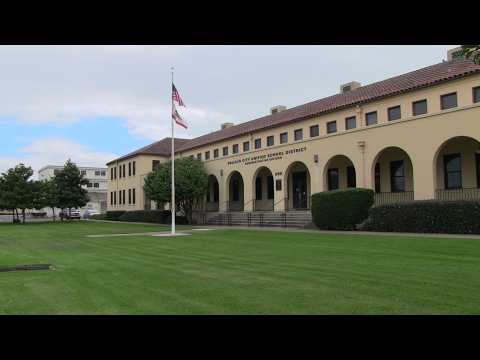
Assistant Superintendent Heather Topacio and instructional staff told the Vallejo City Unified School District governing board at a workshop study session that the district has rolled out the University of Florida Literacy Institute (UFLI) across K–2 classrooms and is tracking midyear progress toward ambitious year‑end targets.
Instructional Coordinator Christine Lucero said the district’s early‑literacy program focuses on foundational skills for TK through second grade and aligned curriculum, assessment cycles and professional learning. “By the end of the year, we are looking for 100 percent of our kindergarten students to score proficient on core A–D,” Lucero said, referring to letter and sound recognition goals, and she added the district’s target of 80 percent proficiency on core E (CVC word reading) for kindergarten through second grade.
Lucero presented midyear data showing that, at the January checkpoint, 55 percent of kindergarten students were proficient in letter recognition and 35 percent were proficient on the CVC measure; first‑grade CVC proficiency rose from 23 percent at the start of the year to 61 percent at midyear. Staff emphasized these are district averages and that performance varies by site.
Julie Robbins, who presented implementation milestones, said UFLI reached broad adoption this year. “We have 95 percent implementation of our UFLI curriculum in all of our K–2 classrooms across the district,” Robbins said, and staff described ongoing coaching and site supports to strengthen fidelity.
Board members pressed for school‑level detail. Trustees asked how completion rates and opt‑in testing affect averages and requested that staff provide site‑level breakdowns so site administrators can use benchmark results to identify students needing tier‑2 interventions. Staff said assessment completion and participation are tracked and schools below the district completion expectation receive outreach and support.
Staff said statewide CAASPP results will be published with the California dashboard in October and that the district will report final spring assessment outcomes when available. The presentation closed with staff committing to provide school‑level data and continued coaching plans to help schools reach end‑of‑year targets.