Get Full Government Meeting Transcripts, Videos, & Alerts Forever!
Get email alerts on the School Budget topic
No spam. Unsubscribe anytime.
South Orangetown presents $116.7M 2026–27 budget, $7.95M turf field on ballot; resident raises reserve and BOCES concerns
Summary
Administrators presented a $116,688,270 budget with a 1.85% tax‑levy increase and two ballot propositions, including a proposed $7.95 million turf multi‑purpose field; a resident warned the board about drawing from ERS/TRS and capital reserves and urged more transparency on long‑range planning.
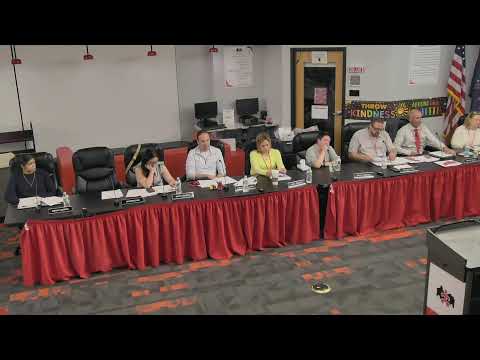
Administrators for the South Orangetown Central School District on Tuesday presented a proposed $116,688,270 2026–27 budget that would raise the district tax levy by 1.85%, and outlined two ballot propositions on the May 19 ballot, including a $7.95 million proposal to build a turf multi‑purpose athletic field at the high school.
"This proposed budget reflects our continued commitment to developing and delivering a high‑quality educational experience for all students while maintaining a strong focus on fiscal responsibility," presenter Natalie Espanau told the public at the board's budget hearing. Espanau said the plan preserves small class sizes, summer learning and expanded UPK access while reflecting a projected district‑wide enrollment decline of roughly 10 students.
The budget is balanced, the administration said, using $200,000 in unrestricted funds and approximately $1 million from ERS/TRS reserves; property taxes are the largest revenue source (about 80%), and the proposal relies on an estimated $18.4 million in state aid. Officials described a tax‑levy calculation that produced a proposed levy of $92,847,369 and estimated an illustrative tax impact of about $161 on a $200,000 assessed value.
The capital proposition would use capital reserves and state aid to fund a turf softball and multi‑purpose field with lighting near the high‑school tennis courts. Construction managers estimated the project at $7,950,000; at an assumed state‑aid ratio of 38% administrators estimated about $3 million in state aid and a net draw on the district's capital reserve of roughly $4.93 million.
Resident Leon Jacobs urged caution. "Where is the financial cliff? Is the financial cliff in a year or two years?" he asked, calling for clearer, public long‑range plans for reserve use and questioning whether capital reserve dollars should be applied to an athletic field while repair needs identified in the district's building condition survey remain.
Administrators said a fund‑balance plan has been drafted and shared with the board but is not yet formally adopted. "That plan ... includes things like funding ERS not to exceed a certain amount of anticipated expenditures," Espanau said, adding the district is working with its auditors and district attorney on reserve parameters. Board members also said they are exploring a dedicated budget line to smooth year‑to‑year BOCES placements so students accepted in a given year are covered without last‑minute budget shortfalls.
Trustees asked several clarifying questions during the hearing, including about the number of sections at early grades and curriculum choices. Administrators emphasized they were not increasing class sizes (they cited an average of about 21 students per class) and outlined ongoing work to align ELA instruction, continuing IMSE for phonics while evaluating writing programs before committing to a large single‑program purchase.
The board handled routine business after the hearing: it removed one item from the consent agenda, approved an amended consent agenda (categories 8–13) by voice vote and adjourned the meeting. The public vote on the budget and the two propositions is scheduled for May 19.
Next steps: the district will present the budget to voters on May 19; if the budget is defeated the board can submit a revised budget, repeat the same budget, or adopt a contingency budget that would limit spending and prohibit a tax‑levy increase.