Get Full Government Meeting Transcripts, Videos, & Alerts Forever!
Get email alerts on the Hf3609 topic
No spam. Unsubscribe anytime.
Lawmakers, hospital leaders urge House to pass HF 3609 to enforce 340B protections for nonprofit hospitals
Summary
Legislators and leaders of rural and critical-access hospitals urged the Minnesota House to pass House File 3609, which proponents say would give enforcement power to Minnesota's 2024 law protecting nonprofit hospitals' use of the federal 340B drug-pricing program; the Senate already passed the bill 42-24.
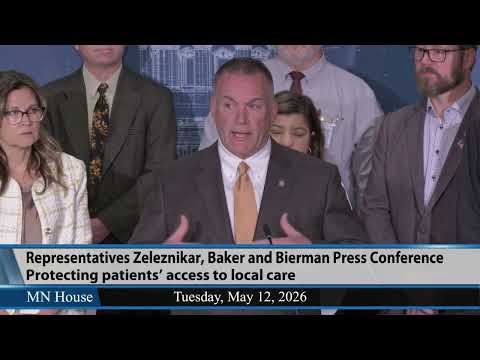
Representative Natalie Celeste, chief author of House File 3609, opened a morning gathering calling for swift House action, saying, “Minnesota should be able to get the care they need when they need it regardless of their zip code.” She and other lawmakers framed HF 3609 as a narrowly targeted measure to ensure nonprofit hospitals can use the federal 340B drug-pricing program at community pharmacies.
Proponents said the measure would not create new state spending but would add enforcement to a 2024 state law they say currently lacks teeth. Representative Robert Biermann, co-chair of the Health Finance and Policy Committee, noted the Senate passed the bill 42-24 and urged the House to bring HF 3609 to the floor during the final five days of the session.
Hospital leaders from across greater Minnesota described operational strains they say 340B helps address. Richard Ashun, CEO of United Hospital District in Blue Earth, said drug costs rose “23.9%” from 2024 to 2025 net of rebates and described 340B discounts as critical to covering emergency care, obstetrics and other uncompensated services. “This is not theoretical. This is about people's lives,” Ashun said.
Lisa Baird, president and CEO of Lakewood Health System in Staples, explained the program’s mechanics: hospitals obtain discounts on certain medications and pass savings forward to patients and local services that otherwise do not pay for themselves. Candy Banks, president and CEO of (transcript: Illegal Munson Community Hospital), and other critical-access hospital leaders described long drives to the next hospital and peak-season population surges that increase demand for local emergency and pharmacy services.
Kim Burrell, CEO/administrator (transcript: Nurse your Health / North Shore Health) in Grand Marais, said her hospital receives about $260,000 a year from the 340B program but still operates with more than $2 million in annual losses; she warned losing 340B would reduce local capacity and increase travel times for patients.
The Minnesota Hospital Association representative (title given; name not provided in the transcript) repeated the call for passage and criticized advertising by for-profit pharmaceutical manufacturers. Lawmakers and attendees questioned enforcement language: committee edits removed some enforcement provisions, and representatives said negotiations were ongoing about whether enforcement would fall to the attorney general or another body.
No floor vote was recorded in this gathering. Supporters said HF 3609 restores enforceability to Minnesota's 2024 statute and would help sustain rural and critical-access hospitals that proponents argue are already operating with thin margins; opponents (as relayed by questioners) have argued industry messaging that the change could raise costs for patients. With the session nearing adjournment, lawmakers said leadership was still negotiating whether to bring the bill to the House floor for a vote.