Get Full Government Meeting Transcripts, Videos, & Alerts Forever!
Get email alerts on the Youth Mental Health topic
No spam. Unsubscribe anytime.
Senate adopts fee on certain in‑game purchases to fund youth mental health programs
Summary
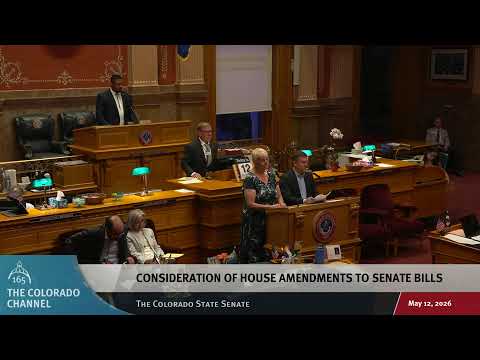
On May 12, 2026, the Senate adopted House Bill 1418, which creates two enterprises to fund youth mental health programs and imposes a 5% fee on certain in‑game add‑on transactions; opponents warned of legal risks and collection burdens while supporters emphasized new revenue for youth services.
The Senate adopted House Bill 1418 on May 12, 2026, a measure that would create two enterprises to fund programs for young people and impose a 5% fee on specified in‑game add‑on transactions. The bill was introduced to the chamber as House Bill 1418 by Representatives Zai and Kamacho and Senators Amab and Carson and was considered with committee reports and an amendment clarifying the definition of covered platforms.
Supporters said the measure will generate revenue for youth mental health services. “Here’s an opportunity to do something about youth mental health,” Senator Roberts said, urging colleagues to approve the bill. The Senate adopted Amendment L33, which sponsors said clarifies what platforms are covered, and then voted to adopt the bill on the floor.
Opponents raised legal and practical objections. Senator Basisley argued the proposal would “impose a new 5% tax on in‑game video game purchases” that departs from the state’s neutral treatment of digital and physical goods and could invite litigation under federal law. “Members, I urge a no vote on House Bill 1418,” Basisley said. Senator Liston warned the requirement would force companies to determine whether a purchaser is geographically present in Colorado and said the bill risks litigation under the Internet Tax Freedom Act.
The debate focused on two tensions: the bill’s fiscal purpose to fund youth mental health programs and opponents’ contention that the fee singles out a business model and raises compliance and legal questions. The committee reports were adopted during the floor proceedings, L33 was agreed to, and the Senate recorded the bill as adopted on second reading. According to the committee report read later in the session, House Bill 1418 was reported as amended and placed on the calendar for third reading and final passage.
The Senate laid over the balance of the calendar later in the day; according to the committee report, House Bill 1418 was among bills passed on second reading and scheduled for third reading. Vote tallies for the final floor voice vote on this bill were not specified in the transcript.
What’s next: The bill, as amended, is scheduled for third reading and final passage per the committee report filed during the session.