Get Full Government Meeting Transcripts, Videos, & Alerts Forever!
Get email alerts on the Charter Authorizing topic
No spam. Unsubscribe anytime.
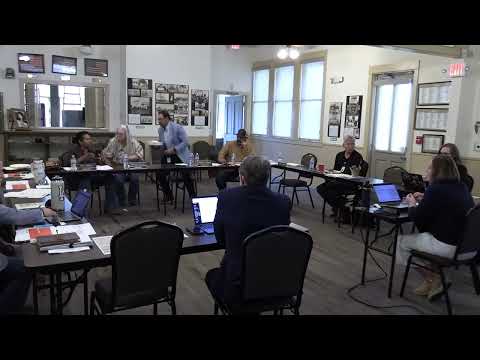
East Central ISD trustees review charter-authorizing basics, SB 1882 options and CAST renewal timeline
Summary
At an April 30 workshop, East Central ISD trustees heard a detailed primer on charter authorizing, Senate Bill 1882 partnership models and funding incentives, and were reminded that the districtCAST partnership is up for renewal in 2027; staff also reported positive SGS self-assessment results.
East Central Independent School District trustees spent their April 30 special workshop focused largely on charter authorizing: external presenters walked the board through the authorizerrole, contract mechanics, monitoring expectations and funding options under Senate Bill 1882.
Presenter Paul told trustees that an authorizer's role mirrors traditional board oversight: "Your role when you're overseeing... is to set goals and hold the superintendent and the leader of that school accountable," he said, drawing a distinction between an authorizer (which sets targets) and an operator (which runs day-to-day instruction). The presentation emphasized that renewals rely on performance data while initial approvals focus on an applicant's operational capacity.
Why it matters: the districtCAST partnership is on a reauthorization timetable for 2027, and trustees were advised to confirm measurable performance goals and monitoring protocols now so staff can evaluate reauthorization candidly. The presenter explained that TEA (Texas Education Agency) reviews SB 1882 benefits applications to confirm districts used rigorous authorizing practices; the extra funding available under SB 1882 was described in the workshop materials and slides as "on the order of roughly $1,000 per student" in many examples, though exact amounts vary.
What trustees discussed: presenters outlined guaranteed autonomies operators typically receive (staffing, curriculum, calendar, non-state assessments and campus budgets) and noted boards may still negotiate non-negotiables to preserve key district-wide practices (for example, requiring a districtwide assessment the partner will also administer). The workshop also covered progressive contract remedies: notice of concern, notice of breach, probation and, if needed, revocation. Presenters recommended clear pre-opening plans, a contract addendum that includes measurable performance metrics, and an explicit timeline for renewal notification (the board must generally notify operators by the last Friday in January before a contract's June 30 expiration).
On funding and statewide context, the presenter said Senate Bill 1882 creates incentives for districts and operators to partner and can make some models more financially viable; the presenter also distinguished chartersfrom ESA proposals and clarified that charter schools remain subject to state testing and accountability as public schools. Board members raised concerns about ESAs and statewide funding choices; one trustee said they were "not a fan" of ESAs because those programs direct public dollars to private schools that are not held to the same accountability tests.
Examples and alternatives: presenters described several SB 1882 partnership types districts use elsewhere, including turnaround operators (the workshop cited Third Future Schools as a model used in other districts), Pre-K and childcare partnerships, IB and higher-education collaborations, and network operators such as KIPP; presenters stressed districts should choose models that fit local needs, and that community input should guide what trustees seek to authorize.
District governance and next steps: staff and presenters urged trustees to codify a clear authorizing mission and accompanying AE local policy language that will return to the board for consideration in June. Superintendent-level staff said the districtwould continue to present monitoring data and annual performance reports so the board can make informed renewal decisions. "If you're watching it and after year one they're stumbling and year two they're stumbling, then you're going to begin to set the table for them to step away," the presenter said, describing how monitoring typically leads to corrective steps long before a contractexpires.
Self-assessment and board alignment: staff reported results from the districtSGS implementation self-assessment and a board self-evaluation; staff described progress on key practices and the board noted strong alignment in its responses. Trustees closed the workshop by affirming priorities (student outcomes, parent engagement and careful monitoring) and thanking presenters; staff said the draft AE local revisions and supporting materials will come back for board action in June.