Get Full Government Meeting Transcripts, Videos, & Alerts Forever!
Get email alerts on the Roads Policy topic
No spam. Unsubscribe anytime.
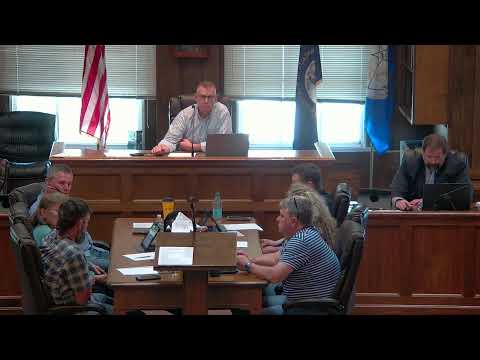
Fiscal court holds first reading of new road-acceptance ordinance; commissioners request exceptions and delayed effective date
Summary
On first reading the court advanced an ordinance to tighten criteria and procedures for accepting private roads into the county road system; several members asked for grandfathering language or a delayed effective date to avoid disrupting projects already in progress.
The Logan County Fiscal Court held the first reading of ordinance 26 620-01, a proposed update to the county's procedures and criteria for accepting roads into the county road system. The ordinance updates standards and creates a formal policy for when and how a private or developer-built road may be added to the county's maintenance inventory.
Several court members and attendees raised concerns that the proposed minimum waiting period and technical requirements could penalize residents or project teams already working in good faith toward acceptance under the previous informal practice. One commissioner asked whether a grandfathering clause or an exceptions list could be inserted to cover roads that have progressed significantly under the prior practice; others suggested setting a future effective date so applicants have time to meet the new standards.
Court members acknowledged the need to avoid accepting substandard roads that would saddle taxpayers with future repair costs, while also recognizing that some residents and small projects are already nearly complete. The ordinance passed its first reading; members asked staff to circulate proposed amendments and to consider an exceptions list or delayed effective date prior to a second reading and final vote.
Next steps: staff will solicit suggested amendments from commissioners, produce a draft with any grandfathering or effective-date language for the second reading, and publish the revised ordinance ahead of the next formal court session.