Get Full Government Meeting Transcripts, Videos, & Alerts Forever!
Get email alerts on the Youth Sports topic
No spam. Unsubscribe anytime.
Commission awards recognized travel soccer contract amid debate over fees and 25% city revenue share
Summary
The Coral Springs City Commission awarded the recognized travel and development soccer contract to RLC Management after a competitive RFP, amid public concern about a 25% revenue-share provision and guarantees for resident affordability and field maintenance. Commissioners asked staff to explore partnerships with other local clubs so recognized recreational programs retain pathways for players.
The Coral Springs City Commission voted 4–0 on May 6 to award the recognized travel and development soccer contract to RLC Management, concluding a months‑long procurement process that drew public comment and detailed questions about program fees and a 25% revenue share to the city.
Miguel, a city procurement staffer, told the commission that an evaluation committee shortlisted three proposers and ranked RLC Management highest after presentations and negotiations. "We negotiated the contract with them, which they signed, and I'm here to request to award that contract," he said.
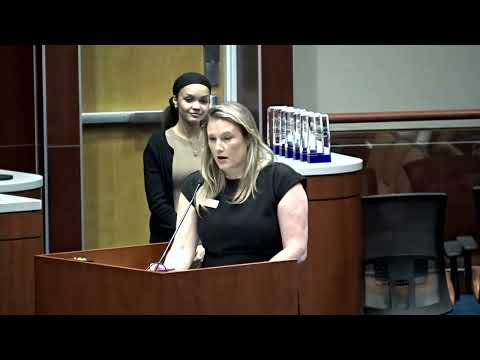
The award prompted immediate concern from residents and local soccer leaders. Denise Farragut, president of Coral Springs Youth Soccer, praised recent meetings with city staff and described ongoing efforts to expand coach development and youth clinics but urged protections for local volunteer programs. "A majority of our 30 member board recently met with the leadership from Fort Lauderdale United. The energy is electric," she said during public comment.
Several parents and club representatives pressed the commission about a provision in the RLC proposal that directs a 25% share of certain program revenue to a City reserve for field maintenance. Brian Jessup, a Coral Springs resident and parent, said the change could raise costs for families. "Twenty‑five percent of the tuition is paid to the city. So, like the tuition for me next year is, like, $3,100. It's going to cost me personally an extra $760 for my daughter to play soccer in the city of Coral Springs next year," Jessup said.
City staff and other commissioners said the revenue share is intended to build a maintenance reserve so fields can be repaired and ultimately replaced without large one‑time draws on the general fund. Brad, a city staff member leading parks programming, said the revenue "will go towards the maintenance of the facilities," and noted long‑term replacement costs for four turf fields could reach into the millions.
Commissioners pressed staff on how recognized recreational programs would be treated going forward and whether Coral Springs Youth Soccer or other local organizations could still partner with outside clubs. Commissioner Salazar (referred to in discussion as the commissioner leading the direction) asked staff to pursue options that preserve choice for families and allow recognized recreational programs to collaborate. The Commission reached consensus that staff should work with Recreation staff, RLC Management and other interested clubs to create cooperative pathways and ensure residents can access scholarships and payment plans.
Mayor Brooke thanked the evaluation committee and emphasized youth opportunity: "There's nothing more important than our children," he said, urging staff to craft a cohesive program that benefits players across the community.
The contract award was adopted after the discussion. Commissioners also requested staff return with formal guidance clarifying fee‑setting authority, mechanisms for resident financial relief, and how revenues will be segregated for field maintenance.
Next steps: city staff will finalize implementation details with RLC Management and will report back on policies to protect resident affordability and to document how the revenue share will be used for field upkeep and replacement.