Get Full Government Meeting Transcripts, Videos, & Alerts Forever!
Get email alerts on the Municipal Budgeting topic
No spam. Unsubscribe anytime.
Carmel-by-the-Sea reviews $41.3 million draft budget, seeks council direction on cuts and revenue options
Summary
Council heard a detailed presentation on a $41.3 million draft fiscal 2026–27 budget that would use $2.2 million of fund balance under current assumptions, examined about $820,000 in proposed operating cuts, and asked staff for refined revenue timing and CIP cost options ahead of June adoption.
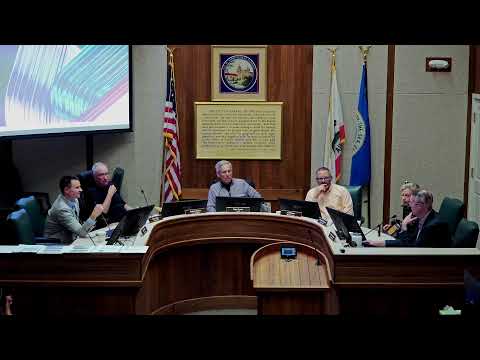
The Carmel‑by‑the‑Sea City Council met May 12 at City Hall for a special budget workshop to review the city’s draft fiscal 2026–27 budget and give staff direction ahead of the June 2 adoption hearing. Finance Director Jamie Fields told the council the draft totals $41.3 million and, as presented, would draw about $2.2 million from the city’s fund balance to cover the proposed capital program and operations.
Fields walked the council through revenue assumptions and major spending lines, noting sales tax, property tax and transient occupancy tax make up roughly 78% of the city’s revenues. She said the draft assumes a conservative approach to receipts—for example, modest increases in property and sales tax and a cautious transient‑occupancy forecast—while preserving a 50% operating reserve required by city policy.
The administration and council focused on three long‑running fiscal challenges: a roughly $100 million deferred‑maintenance backlog, the ongoing payment schedule to the California Public Employees’ Retirement System (CalPERS), and limits on near‑term revenue growth. Fields said the budget includes the first year of a 10‑year plan to address deferred maintenance and increments to project management staffing to support delivery.
Council members probed a package of proposed operating reductions prepared by staff (about $820,000 in identified items). Council consensus coalesced around restoring several forestry‑ and landscape‑related items and adding an explicit line for watering newly planted trees so investments do not fail from lack of follow‑up. Several council members urged caution about cuts that would degrade core services; others urged continued effort to find additional savings.
Public safety items drew focused attention. Staff described a proposal to purchase a beach rescue vehicle for roughly $60,000–$75,000 that fire officials support as a faster way to reach and remove injured beach visitors. Council members expressed support for adding the vehicle to the CIP as a public‑safety priority but asked staff to return in June with firmer procurement options and any implications for the engineered sand‑ramp project that has been under study.
On revenues, staff and council discussed three principal levers being evaluated: a transient‑occupancy‑tax (TOT) increase, a city sales‑tax measure for the ballot and paid parking/parking enforcement. Fields and the assistant city administrator said preliminary modeling suggests a 2‑percentage‑point TOT increase or a sales‑tax measure could each generate on the order of $1.5M–$2M annually, but both carry economic and implementation tradeoffs the council asked staff to analyze in more detail. The council directed staff to agenda‑place the ballot items for June discussion and to bring refined timing and cash‑flow models, and asked for a June staff report on paid‑parking enforcement revenue scenarios.
Councilmembers praised staff for bringing operating expenditures down to about 84% of budgeted revenues in the draft—below last year’s policy cap of 90%—but several members warned the five‑year forecast shows ongoing drawdown of reserves if revenues and cost pressures remain as projected. Multiple councilmembers said that, beyond near‑term adjustments, Carmel will need to continue exploring structural revenue options and deliberate uses of city assets to close a persistent gap between ongoing capital needs and available operating resources.
Next steps: staff will return in June with a revised draft reflecting council direction, refined CIP cost estimates (including options for Piccadilly restroom work and the Sunset Center parking lot resurfacing), proposed language and timing for ballot measures, and revenue timing models for paid parking and other options. The council scheduled a final adoption consideration for the June meeting.