Get Full Government Meeting Transcripts, Videos, & Alerts Forever!
Get email alerts on the Game Rooms topic
No spam. Unsubscribe anytime.
Van Zandt County hearing pits attorney general-style warnings over game rooms against charities that rely on bingo proceeds
Summary
At a May workshop, Sen. Paul Hall urged local enforcement of Texas gambling statutes for arcade-style 'game rooms,' while dozens of nonprofit leaders testified that bingo-linked revenues from local game-room operations fund vital community services and historic preservation in Van Zandt County.
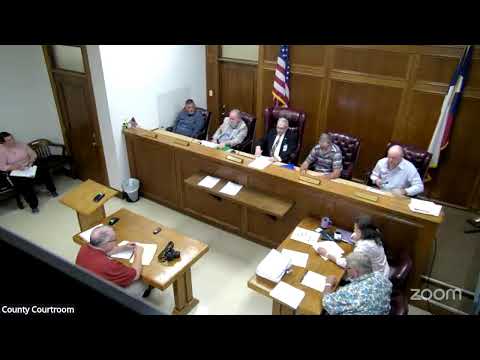
Van Zandt County — A crowded workshop at Van Zandt County's commissioners court on May 6 centered on whether locally permitted ‘‘game rooms’’ that feed charity bingo operations are lawful and, if not, what local officials should do.
State Sen. Paul Hall told the court the legal framework is straightforward: the Texas Constitution and Penal Code Chapter 47 bar gambling, and local rules allowing ‘‘amusement redemption’’ devices apply only when prizes are noncash and have a wholesale value of $5 or less. ‘‘If a device on the machine offers any game of chance and pays out more than $5, it is illegal,’’ Hall said, urging county enforcement.
The legal presentation set off more than two hours of public testimony from local nonprofit leaders and residents who said shutting down or rolling back the county's 2022 game-room ordinance would severely reduce revenue for charities. Janine Mley, who identified herself as president of the Children's Advocacy Center and as a representative of several local charities, said two local game-room operations have, since opening, helped channel about ‘‘just under $1 million’’ in distributions to nonprofits and that the game rooms do not pay cash to patrons.
Myrtle Springs volunteer Bill Russ told the court Hot Shot Bingo funds enabled the restoration of a 1929 school building, saying his organization received $78,000 and that without the funds the community center and pantry services he helps run would suffer. Pilot Club representative Jenny Sparks and others described scholarships, special-needs supports, and senior services funded in part by bingo proceeds.
County fire marshal Kevin Palmer said his office has a yearly permitting checklist and conducts unannounced inspections; he told the court he has found permitted game rooms in compliance with the county ordinance and has seen no evidence during his inspections of prostitution or large-scale drug dealing in licensed game-room facilities. Palmer also cautioned that gas-station devices and smaller, unregulated operations may fall outside the county's specific game-room ordinance and could require involvement from the district attorney.
Operators spoke in defense of their businesses. One operator, who identified himself in the record as Rowdy, said machines he invested in include skill features and that his businesses have invested in safety measures and security cameras; he disputed social-media reports that machines routinely pay thousands in cash. ‘‘We welcome inspections; we let law enforcement use our cameras,’’ he said.
The meeting made clear the practical and legal tensions: proponents emphasized tangible local services paid for by bingo-linked funds, while opponents and Senator Hall warned that legal limits are being skirted and urged the county to use the enforcement powers in the 2022 ordinance. Several speakers asked for a clear, documented enforcement path so the public can see whether the county's rules are being applied uniformly.
The court did not vote to repeal the ordinance during the workshop. County staff and the fire marshal told the court they would continue inspections and that the sheriff's office and district attorney's office are the appropriate partners for criminal enforcement where devices appear to violate state law. Commissioners scheduled follow-ups and directed staff to provide additional information and possible outside-state guidance on the interplay between the local ordinance and Chapter 47 of the Penal Code. The commission recessed for a short break and moved on to other workshop items, including public-works radios and records-transparency proposals.
What happens next: Commissioners indicated they will review written materials and enforcement logs and may take further procedural or policy action at a later meeting. Members of the public asked specifically for documented inspection records and a report on any enforcement actions the county has taken under the 2022 game-room ordinance.