Get Full Government Meeting Transcripts, Videos, & Alerts Forever!
Get email alerts on the Budget topic
No spam. Unsubscribe anytime.
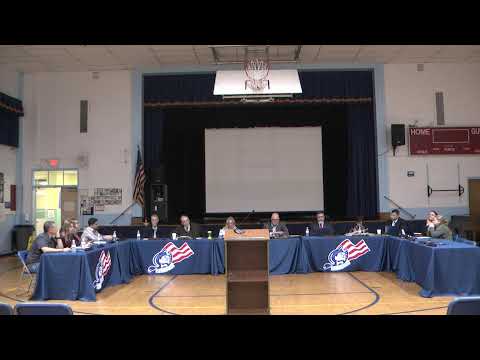
Secaucus board hears $57 million 2026–27 budget proposal, residents press on taxes and staffing
Summary
At a May 7 public hearing, Secaucus School District officials presented a roughly $57 million proposed operating budget for 2026–27 that would raise the tax levy about 7.2%; residents asked detailed questions about benefit increases, teacher reductions and transportation aid cuts.
The Secaucus School District board on May 7 held a public hearing on a proposed roughly $57 million operating budget for the 2026–27 school year that administrators said is designed to preserve instructional programs while addressing steep increases in benefits and other costs.
Business Administrator Grace Yo told the board the budget was developed over six months and is anchored to five priorities: instruction and learning, fiscal stewardship, strategic planning, facilities and student programming. "Every dollar allocated in this budget is anchored by our district mission," Yo said during the presentation.
Assistant Business Administrator Pat Kikuchi said the largest spending areas remain classroom instruction and employee benefits. He cited specific cost pressures: a reported 31% jump in medical insurance and a 32% increase in prescription benefits, higher utilities and rising out‑of‑district special‑education tuition. "Combined, this gives an additional revenue of over $7 million to our bottom line," Kikuchi said of reserve withdrawals and other one‑time supplements.
Kikuchi said the proposed tax levy would represent about a 7.2% increase for 2026–27. For a home assessed at $180,000, the district estimated the increase at roughly $170 a year — about $14 a month.
Administrators also outlined program and capital priorities: curriculum renewals (CKLA and Reveal Math), expanded full‑day PreK and targeted intervention, professional development for literacy instruction, classroom technology and career learning. Facilities projects cited in the plan include resurfacing tennis courts, replacing several HVAC units, work on the high‑school press box and the planned purchase of two 54‑passenger buses (the record listed "254 passenger" and the district clarified this as two 54‑passenger buses).
Interim Superintendent Dr. Mark Tobach described potential revenue offsets the district is exploring, including running some special‑education transportation in‑house, co‑op route partnerships with other districts, renting the performing‑arts center and limited advertising for athletics.
Public questioning focused on whether the district could use statutory exceptions to raise additional levy revenue and on program and personnel changes. Resident Anthony Granary said the district’s employee‑benefits line is projected to increase by about $2.7 million and asked whether the district could seek a higher levy under "New Jersey statute 18A 7F38D" to cover rising health and pension costs rather than reassigning funds elsewhere.
Administrators also fielded questions about reductions in regular‑program spending, a reported reduction in transportation aid stemming from a reporting error and a district accounting for a roughly 25% reduction in federal aid per state guidance. On the transportation issue, the district said a November 2025 report understated transported students, it submitted a revised report to the county, the county appealed to the state, and the state declined to adjust the allocation because available funds had already been distributed; the district said it will continue to pursue remediation.
During the public forum, resident Dina Jerbasio asked directly how many teachers would be cut; the district replied that two teachers are being reduced in force due to reduced enrollment and that there are no administrative cuts.
Board members and committee reports emphasized the board’s stated priority of minimizing instructional impacts and discussed further ways to generate revenue, including a possible foundation and enrollment strategies to increase tuition and program revenue.
The presentation functioned as the district’s public hearing on the budget; administrators said FAQs and slide materials released with the user‑friendly budget are intended to address community concerns and that the district will continue to work with county and state offices on final approvals and appeals. The meeting continued into routine business, votes and committee reports later in the session.