Get Full Government Meeting Transcripts, Videos, & Alerts Forever!
Get email alerts on the Detention Conditions topic
No spam. Unsubscribe anytime.
Residents and advocates urge Kern County supervisors to order inspections of immigration detention centers
Summary
Multiple residents and Faith in the Valley volunteers told the Kern County Board of Supervisors they have documented medical neglect, unsanitary conditions and failures to provide medications at local detention facilities, and urged the board to use public-health authority and state law to require inspections and transparent reports.
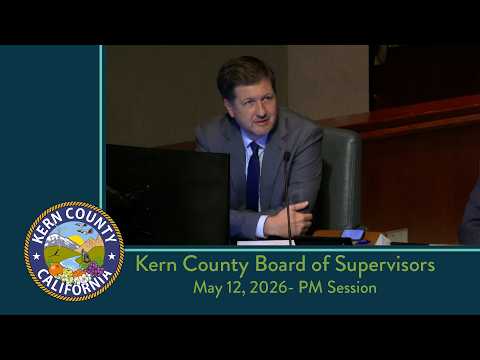
Public commenters at the Kern County Board of Supervisors' May 12 meeting urged the board to order inspections of private immigration detention centers in the county, citing multiple accounts of withheld medical care, unsanitary conditions and reentry gaps.
Janine Adams, a resident who visited California City detention center, said she heard a detainee describe missed mental-health medication and suicides and asked the board to act. "People are dying on your watch," she told supervisors, and asked staff to review materials she provided. Eddie Lane recounted detainee reports of prolonged handcuffing, untreated hernias and mass lockdowns, saying "We are treated worse than animals." Faith in the Valley and Valley Watch Network speakers described volunteer efforts to assist hundreds of people released from county facilities and urged the board to provide county support for those reentering the community.
Noras, program manager for Valley Watch Network, told the board local public-health and environmental authorities give counties power to address conditions that affect community health. "Public health authority does not stop at the doors of detention centers," she said, emphasizing that counties regulate food safety, sanitation and environmental hazards that affect surrounding communities. Lewis Gillum, a Valley Watch Network legal observer, summarized several release interviews and called the situation "a public health crisis," describing reports of untreated heart attacks, severe weight loss and spoiled food.
Supervisors and county counsel discussed the legal limits of county oversight of facilities that are federally operated or contracted. Counsel said letters were sent to federal and state agencies and that the county has received limited responses; the county may face barriers to entering federal facilities and some state health laws may not apply. Supervisors requested updates from public-health staff and said they would review what legal avenues remain.
Several speakers asked supervisors to consider legislative routes and cited Senate Bill 1132 as a potential tool; speakers pledged follow-up with board members. Ellen Schoffer, a Valley Watch supporter, urged the board to consider allocating county funds or establishing programs to ensure released individuals can contact family, obtain medications and return home safely.
The board did not take formal action on inspections at the meeting; supervisors asked staff and counsel for further updates and clarifications about the county's authority and next steps.