Get Full Government Meeting Transcripts, Videos, & Alerts Forever!
Get email alerts on the Budget topic
No spam. Unsubscribe anytime.
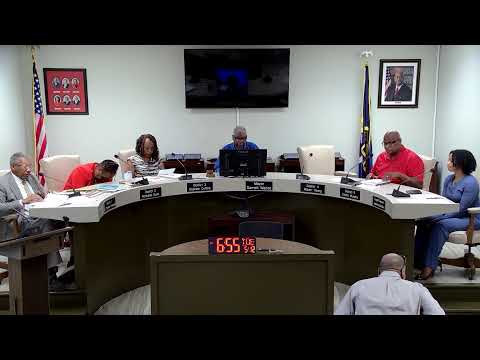
City of Baker council introduces proposed 2026–27 budget; District 1 votes no on several items
Summary
The Baker City Council introduced the proposed 2026–27 budget and advanced a set of budget ordinances for public hearings. Several ordinances passed introduction votes with District 1 casting the only 'no' votes; Councilmember Vincent said he would abstain from one introduction pending further review.
The Baker City Council opened a 30-day public-review period for the proposed 2026–27 budget and introduced a set of ordinances to publish the operating and capital budgets for public hearings. The council moved, seconded and conducted district-by-district votes to introduce the package; several items recorded District 1 as the sole dissenting vote while the other districts voted in favor.
The mayor described the process for the budget cycle and said a printed copy would be available at City Hall for inspection and that staff would contact council members for one-on-one questions. Council members were told the council must adopt a final budget no later than June 30.
Council members discussed revenue expectations and expenditures during the introduction. Officials said sales taxes accounted for roughly 71% of current-year budgeted revenue as of April 30 and that ongoing residential and commercial growth, plus two economic development districts and possible annexation, were expected to increase receipts. The packet notes a 2% across-the-board salary increase for fire, police and municipal employees for the coming year; officials said retirement contribution percentages are changing and that personnel costs remain the largest budget item.
Council members debated the fiscal effect of a potential firefighter millage if approved by voters, with the council clarifying that a voter-approved millage would primarily cover salaries (and that equipment and benefits are not fully covered by a millage). Officials said any millage revenue would become visible in the next budget cycle because of effective-date timing.
Councilmember Dr. Vincent said he would abstain from the introduction vote on the budget until he had time to review additional materials from the mayor; council staff confirmed the introduction triggers the public-hearing timeline and does not itself finalize spending.
Votes at introduction (district roll call as recorded by the presiding officer): - Ordinance 2026-14 (general fund operating budget): District 1 — No; Districts 2–5 — Yes. Motion carried. - Ordinance 2026-15 (special revenue funds): All districts recorded as Yes on introduction. Motion carried. - Ordinance 2026-16 (capital budget and program): District 1 — No; Districts 2–5 — Yes. Motion carried. - Ordinance 2026-17 (utility fund budget): District 1 — No; Districts 2–5 — Yes. Motion carried. - Ordinance 2026-18 (cemetery fund budget): District 1 — No; Districts 2–5 — Yes. Motion carried. - Ordinance 2026-19 (sewage revenue fund budget): District 1 — No; Districts 2–5 — Yes. Motion carried.
Next steps: each ordinance will be publicly available during the 30-day review and return to the council for public hearings and a final vote before the June 30 adoption deadline.