Get Full Government Meeting Transcripts, Videos, & Alerts Forever!
Get email alerts on the Tax Policy Software topic
No spam. Unsubscribe anytime.
Senate advances bill narrowing downloaded software exemption to fund refundable family credit amid strong opposition
Summary
House Bill 1223, which narrows the downloadable software sales tax exemption and uses that revenue to fund an enhanced refundable family affordability credit, passed second reading after extended debate and multiple failed amendments. Opponents said it is effectively a new tax on technology and urged voter review; proponents argued forecast mechanisms and caps are in place.
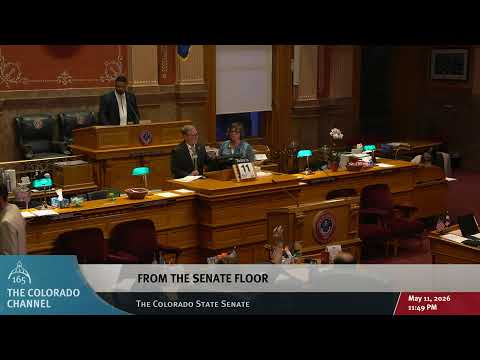
The Senate approved House Bill 1223 on second reading after several hours of floor debate and multiple amendments that were unsuccessful.
Clerk read HB1223, described as a change to certain tax expenditures that would narrow the downloaded software exemption and dedicate the resulting revenue to an enhanced refundable family affordability credit. Opponents argued the policy is a de facto tax increase on essential digital tools used by small businesses and nonprofits, saying it would raise operating costs and harm competitiveness. "This bill taxes innovation," one opponent said, adding that the exemption enacted in 2011 brought clarity and economic growth and shouldn't be removed to finance a spending program.
Senator Kirk Meyer and several floor speakers emphasized the fiscal‑policy implications and raised Taber/constitutional questions about whether broad changes to the tax base that raise revenue should go to a public vote. Other senators pressed for technical fixes: amendments to change how the refundable credit is calculated (prospective vs. retrospective forecasting), an over‑refund (clawback) mechanism, and a sunset provision. Several proposed amendments (L27, L28, L29) were defeated on the floor.
Supporters said the enhanced credit would be calibrated to estimated revenue increases and that legislative council forecasts and legislative procedures would be used to set maximum dollar amounts. Sponsors said the measure includes guardrails and limits on credit amounts drawn from estimates in the fiscal note.
After debate and the rejection of several amendments, senators approved the bill on second reading; it was placed on the calendar for final passage and will proceed through the remaining legislative steps.