Get Full Government Meeting Transcripts, Videos, & Alerts Forever!
Get email alerts on the Ineffective Assistance topic
No spam. Unsubscribe anytime.
Defense says trial counsel’s failure to hire a memory expert was prejudicial in Commonwealth v. Johnson
Summary
On appeal in Commonwealth v. Johnson, defense counsel argued trial counsel was ineffective for not hiring an expert on false and socially induced memory after the Commonwealth presented an expert; the panel probed whether counsel’s choice was a reasonable strategic decision and whether any omission caused prejudice.
At oral argument, defense counsel argued that trial counsel’s failure to consult a defense expert on false memories and social influence — after the Commonwealth presented Dr. Block — undermined the fairness of trial verdicts in a case built on inconsistent testimony by two child witnesses.
Counsel for the defense said the jurors had significant doubts about credibility (noting acquittals on multiple counts) and that an expert such as Dr. Price could have explained false memory mechanisms and social‑influence pathways that Dr. Block did not address; defense urged that absence of that expert evidence prejudiced the client. The motion judge below found counsel’s tactical decision was not manifestly unreasonable and that the defense had alternative avenues to challenge credibility.
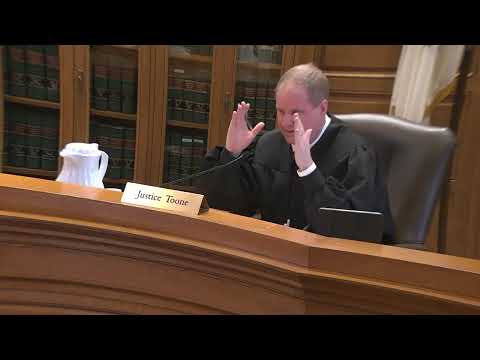
The panel explored whether trial counsel’s choice amounted to a strategic, informed decision. Justices asked whether reasonable counsel would have requested funding for an expert and whether the defense’s voir dire and closing arguments had already flagged social‑influence theories to the jury. Commonwealth counsel responded that the defense had investigated, made tactical decisions in light of experience, and that any error was not shown to be prejudicial under the familiar two‑part ineffective assistance test.
The case was submitted. Any further relief will turn on whether the appeals court finds counsel’s choices outside the wide range of reasonable professional assistance and whether the outcome was materially affected.