Get Full Government Meeting Transcripts, Videos, & Alerts Forever!
Get email alerts on the Evidence topic
No spam. Unsubscribe anytime.
Defense says judge improperly barred evidence that others tried to kill victim in Commonwealth v. Vasquez
Summary
In Commonwealth v. Vasquez, appellant challenged exclusion of testimony that the victim had been shot at repeatedly and that others had motive to kill him; defense argued the exclusions were not supported by the discovery order and that the judge failed to make required sanction findings.
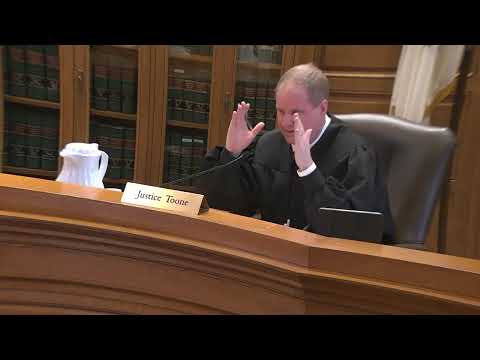
At the Appeals Court sitting in Boston the panel heard a contested evidentiary and discovery dispute in Commonwealth v. Vasquez.
Defense attorney Patrick Levan urged that the trial court wrongly precluded testimony tending to show others repeatedly tried to kill the victim in the months before the killing, including incidents tied to counterfeit‑money transactions. Levan argued the excluded testimony was non‑speculative evidence that another person may have committed the offense and that the trial judge erred by treating the materiality of that testimony as a basis for preclusion without making the required written findings for a discovery sanction.
The panel focused on the evidentiary limits for third‑party‑culprit theories: Justices pressed how the proffered evidence established opportunity and proximate connection (not only motive) and whether the testimony was too attenuated. Counsel and the panel discussed controlling precedent (Murphy, Kezer, JWit and related Massachusetts decisions cited by the parties) and the distinction between evidence that is merely motive and evidence that tends to show another person actually may have committed the crime.
Commonwealth counsel Brook Hartley argued that the defense’s disclosures came late and that the judge’s reciprocal discovery order and oral colloquies reasonably supported the trial court’s preclusion. The Commonwealth cautioned against permitting uncorroborated, self‑serving testimony sprung on the prosecution at trial; the prosecutor described the record as trial‑by‑ambush and emphasized the judge’s role as gatekeeper.
The court questioned whether exclusion was a proportionate remedy, and whether, if exclusion was erroneous, the error was prejudicial. The case was submitted for decision.
What happens next: the panel will issue an opinion addressing whether the trial court’s discovery rulings and any evidentiary preclusion were justified.