Get Full Government Meeting Transcripts, Videos, & Alerts Forever!
Get email alerts on the Procurement topic
No spam. Unsubscribe anytime.
Council presses administration over late invoices and $117,000 bond-counsel bill amid budget shortfall
Summary
Treasury told the council bond‑counsel invoices pushed a Wilentz PO $117,000 over its $200,000 limit; councilors pressed for invoice copies and changes to procurement and vendor invoicing practices as the city confronts a $254 million budget gap.
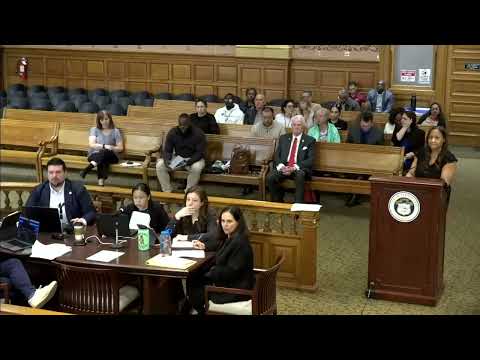
Council members on Monday pressed city officials for documents and process changes after Treasury reported an unexpected $117,000 in outstanding invoices from bond counsel Wilentz, Goldman & Spitzer. Shirley McArno, treasury director, said the firm was paid on a percentage basis tied to bond sale value and that the city now must increase the purchase order to $317,000 to cover two bond closings.
Council members repeatedly asked why invoices were not routed to treasury promptly and sought copies of the missing bills. “There has to be a better way of tracking when services are provided,” one councilor said, describing repeated invoices that emerge long after the work was completed.
The council’s questions about Wilentz tied to a broader agenda thread: multiple directors reported that contracts or invoices from January–March remained unresolved when the administration changed, producing late, retroactive vendor payments across departments. Councilors asked for a clearer process for vendor invoicing, contract encumbrances and RFP timing to avoid paying for services after contracts expire.
Corporation Counsel told members it was not yet clear whether Wilentz had formally notified the city before exceeding a $200,000 not‑to‑exceed amount and that the administration would follow up before the next meeting. The question of legal obligation — whether the city must pay invoices submitted after a contract cap — will be considered case by case, the counsel said.
The discussion cut to larger fiscal concerns. A council speaker cited the administration’s earlier briefing that a $3.8 million swing in revenue or expense would equal a roughly 1% tax impact on Jersey City taxpayers, framing why members want stronger invoice controls and earlier contract review.
What’s next: Council requested the invoices and supporting contract files from Treasury and asked Corporation Counsel to report back before Wednesday’s session. Several councilors said they want standard deadlines for vendor invoicing written into future RFQs so late bills do not repeatedly force PO increases.