Get Full Government Meeting Transcripts, Videos, & Alerts Forever!
Get email alerts on the Tax Policy topic
No spam. Unsubscribe anytime.
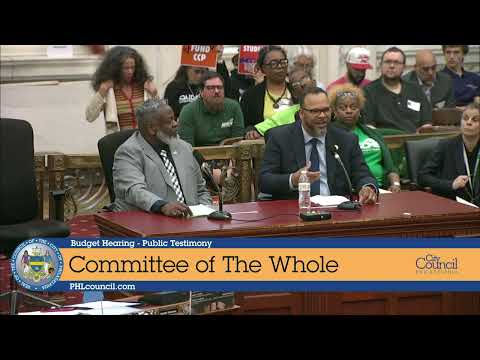
Mixed public reaction to proposed ride‑share tax and recent BIRT changes as small businesses warn of harm
Summary
Testimony split: some residents and business owners oppose a proposed Uber/Lyft tax (bill 260208) and say recent BIRT changes forced steep, unexpected liabilities on 1099 workers; other speakers supported the ride‑share tax as a revenue source for schools and services.
Public commenters testified for and against the transportation network company tax (the proposed ride‑share tax in Bill 260208) and raised widespread concerns about the removal of the $100,000 Business Income and Receipts Tax (BIRT) exemption.
Opponents—ranging from therapists and solo practitioners to small retail owners—said the BIRT change produced sudden, large tax bills that many cannot afford. Janine Stewart, a clinical social worker, said the new BIRT treatment increased her tax bill dramatically and that many therapists are considering relocating their practices outside Philadelphia. Neta Maize, a small business owner, described receiving a $30,000 city tax bill and warned that sole proprietors are being squeezed.
Supporters argued the ride‑share tax would generate revenue for schools and avoid property tax increases. David Sims, a business owner, urged council to approve Bill 260208 to help preserve school jobs, calling ride‑share trips a luxury in many cases and suggesting the companies can bear the cost.
Several speakers asked council to hold hearings on relief legislation (referenced bill 251026 during testimony) or to pursue targeted relief for sole proprietors and single‑owner LLCs. Council did not act on the ordinance during the hearing; the debate is likely to continue as council considers revenue tradeoffs for FY27.