Get Full Government Meeting Transcripts, Videos, & Alerts Forever!
Get email alerts on the School Board Election topic
No spam. Unsubscribe anytime.
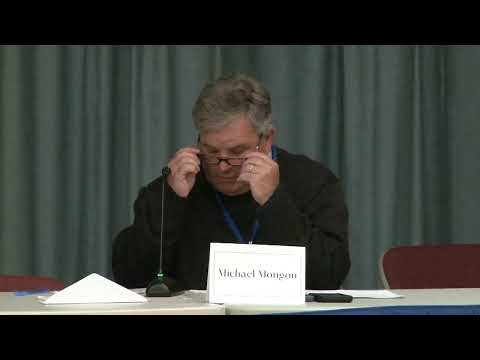
Mahopac Central School District candidates outline budgets, special-education plans and priorities at forum
Summary
Candidates for the Mahopac Central School District Board of Education presented brief opening remarks and answered moderator questions on budgeting (many backing a 0% tax-levy increase if core programs are preserved), the need for a special-education strategic plan, curriculum alignment, staff retention and cautious classroom technology use.
Candidates in a Mahopac Central School District Board of Education forum on the eve of the May 19 election presented competing priorities on budgeting, special education, curriculum and technology while urging turnout.
The forum began with each candidate giving a two-minute introduction. Linds, who described herself as a 12‑year resident and 20‑year educator with special-education experience, said she is running to have a positive impact on students and families. Adam (last name not provided), who described decades of volunteer firefighting and prior service as a trustee, identified himself as an independent, nonpartisan candidate and said "politics and outside agendas do not belong on our school." Alana Sweeney said her background includes special-education teaching and executive nonprofit work; Jamie Dixon described herself as a parent and finance professional who emphasized student mental‑health supports; Joseph Patali said his CPA experience and longtime community ties motivate him to run; and Mike Min identified himself as a current board member and past president who highlighted initiatives including financial‑literacy curriculum.
Budget and reserves took center stage when the moderator asked how candidates would develop a budget that balances student needs and taxpayer concerns. Several candidates said they support a 0% tax‑levy increase this year if it can be achieved without cutting essential programs. One candidate warned about drawing down "over $8 million" from reserves and urged caution; another candidate noted the district's reserves exceed $33 million and said that level allows the board to return funds to taxpayers while protecting services. Speakers urged line‑by‑line transparency, continued community engagement, and using long‑term planning to avoid depleting reserves.
On special education, candidates agreed a district strategic plan is needed. Multiple speakers said the district should finish the special‑education plan, improve Individualized Education Program (IEP) processes, provide professional development for special‑needs staff and create dedicated in‑building sensory spaces (some candidates were skeptical a sensory bus is the right solution). One candidate cited a recent special‑education audit and said it exposed deficiencies that must be addressed; another said roughly 40 percent of students with special needs are also English‑language learners or economically disadvantaged, which should shape supports.
Candidates emphasized building trust with the community and separating personal beliefs from board duties. Themes included listening, finding common ground, and prioritizing students. On leadership and staff retention, the candidates recommended steady administration, professional development, clear communication, and recognition and incentives to make the district a workplace people want to join and stay in.
Regarding curriculum and student achievement, candidates called for measurable metrics and earlier intervention — starting with preschool and UPK — to catch students who lag in reading or math. Several referenced the "science of reading" and phonics for early grades, and proposed deeper reviews where gaps appear, using parent and teacher committees to gather evidence and report findings.
On classroom technology, candidates generally favored a district review to ensure devices are used intentionally and age appropriately. They said technology should supplement instruction, not replace foundational teaching, and suggested limiting device use in younger grades while preserving targeted STEAM and engineering opportunities.
The forum closed with candidates restating their motivations to serve and reminding voters to cast ballots on May 19. No formal motions or votes were taken during the event.
Provenance: Transcript material for this article is drawn from the candidate introductions (beginning SEG 014) through the forum closing (ending SEG 1462).