Get Full Government Meeting Transcripts, Videos, & Alerts Forever!
Get email alerts on the Authentication topic
No spam. Unsubscribe anytime.
Defense challenges unverified text-message testimony; commonwealth says corroboration and context saved verdict
Summary
In Commonwealth v. Hiran Hernandez the defense argued a mother’s testimony about deleted text messages lacked the authentication required to corroborate allegations; the commonwealth said other testimony (victim, friend, DNA) and the judge’s handling of refreshing recollection made any error harmless.
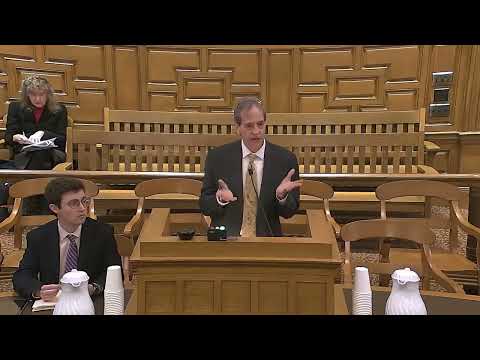
Michelle Dame, representing the appellant, told the panel the mother’s testimony about purported text messages seen on her daughter’s phone was not authenticated: the messages and phone were not in evidence, no number or screenshot was presented, and the mother’s memory reports were not shown to be fresh or reliable. Dame argued the text descriptions amplified other testimony and were emphasized in closing argument, creating a substantial risk of a miscarriage of justice.
The panel asked whether the trial judge should have intervened in a bench trial to exclude or strike the statements. Dame replied that in a jury-waived proceeding the judge could have struck the testimony; she argued authentication was too thin because the mother never tied a phone number or screenshot to the defendant.
ADA David McGowan and co-counsel urged the court to affirm, saying the victim’s testimony, forensic evidence and surrounding circumstantial facts corroborated the description of texts. They said the mother’s recollection was consistent with the victim’s account and that any marginal authentication error would be harmless in light of the total evidence, including DNA and the defendant’s own statements at confrontation.
The panel probed the line between refreshing recollection, impeachment and permissible substantive admission; counsel agreed that clearer foundation questions might have avoided appellate contention, but both sides rested and the case was submitted.