Get Full Government Meeting Transcripts, Videos, & Alerts Forever!
Get email alerts on the Community Partnerships topic
No spam. Unsubscribe anytime.
Community partnerships update: district launches partner intake, tracking and a new partnership web page
Summary
Executive Director Shannon Avenson outlined a systematized partner intake and tracking process, a new partnership web page, and risk‑mitigation steps including background checks, insurance requirements and contract tracking to expand supports like food pantries, mental‑health services and real‑world learning opportunities.
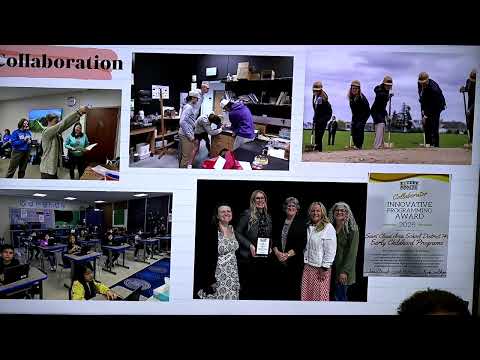
At the St. Cloud Public School District board meeting, Executive Director Shannon Avenson presented a community partnerships update describing steps the district is taking to systematize and scale work with local organizations.
Avenson said the district has implemented a partner proposal intake via a Google form, a centralized spreadsheet for tracking certificates of insurance and contract expirations, and a process for marking partners as “engagement ready” once they meet requirements. She described the district’s priorities for partnerships — expanding student opportunities (internships, mentorships, events like Future 100), improving resource access (food pantry with LEAF, co‑located mental‑health services with Greater Minnesota partners) and strengthening social‑emotional supports and family engagement at full‑service community schools such as Discovery and North.
On risk mitigation, Avenson outlined required background checks for partners working with students, certificates of insurance naming the district as additional insured when appropriate, and contracts or memoranda of agreement for higher‑level collaborations. "We have a Google form where our partners will put in a partnership proposal," she said, explaining that the district’s review team evaluates fit, then moves to risk assessment and insurance.
Board members asked about who pays for background checks; Avenson said responsibility is mixed: community education sometimes covers checks for certain programs, partners sometimes pay, and the district has worked to help cover costs for volunteers when needed. Dr. Jason Harris described Future 100 as an event for seniors to create concrete next‑step plans and complete college applications with on‑site mentors.
Avenson also previewed a new partnership web page featuring partner stories and an opportunity for organizations to apply to partner with the district; she invited partners to contact the district if their work is not yet represented on the site.
Examples named in the presentation included LEAF, Shields, Big Brothers Big Sisters, United Way, Greater Minnesota partnerships and local collaborations prompted by the Westwood fire (children’s museum).