Get Full Government Meeting Transcripts, Videos, & Alerts Forever!
Get email alerts on the Audit topic
No spam. Unsubscribe anytime.
Auditors deliver clean FY2025 opinion; pension liabilities fall after debt restructuring
Summary
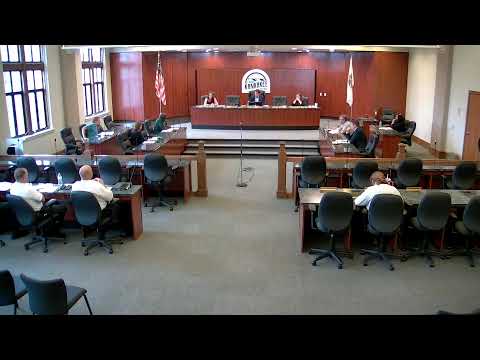
At the April 2026 Kankakee City Budget Committee meeting, auditors presented a clean FY2025 audit, reported a $12.3 million increase in governmental net position and detailed a large drop in net pension liability after bond actions; committee members pressed for details on differing pension returns.
At its April 2026 meeting, the Kankakee City Budget Committee received the fiscal year 2025 audit and an overview of the city’s financial statements. Dale Garretty, one of the presenters from the audit team, said the auditors had “issued an unmodified or a clean opinion for the year ended April 30, 2025.”
Garretty told the committee the city reported an increase in governmental net position of about $12,300,000 compared with the prior year and that the general fund balance is roughly $25.3 million. He said the unassigned portion of the general fund balance was about $14.5 million but had decreased by roughly $1.5 million from the prior year, with prepaid expenses and increases committed to pension and debt liabilities among the factors noted.
The audit binder includes basic financial statements, required supplementary schedules and a statistical section. Garretty guided the committee to the schedules showing the statement of activities and the governmental funds, and he noted that total expenditures rose in areas such as retirement costs while revenue streams (income, sales and property taxes, and ambulance fees) were generally consistent with the prior year.
Much of the committee’s discussion focused on pension funding. Garretty described a large decline in net pension liability after the city issued bonds and moved pension assets into downstate pension funds. He summarized the change this way: the police fund’s employer net pension liability declined from about $52–53 million to roughly $13 million following the city’s financing decisions. He said similar effects appeared in the firefighters’ pension schedules.
Garretty also cited the funding ratios reported at year end: the police pension was about 86.09% funded and the fire pension about 86.16%. Committee members asked about the large differences in recent returns: the audit shows a roughly 9.68% net investment return for police in 2025 versus about 1.48% for fire. Garretty said the two funds are managed separately at the state level and that the committee’s local control over investments is limited now that the funds are administered downstate.
Amy Echelman, who joined Garretty in presenting the binder, and other committee members encouraged staff and councilors to review the management’s discussion and analysis and the detailed footnotes for the breakdown of revenues, expenditures and long-term debt. Paula, identified in the meeting transcript as the controller, and members thanked auditors and staff for the compilation and discussed follow-up questions on actuarial and investment details.
The committee was shown additional proprietary and business-type fund schedules, including the environmental services utility (ESU), where unrestricted deposits and operating revenues rose and which saw principal paydowns on bonds and an Illinois EPA loan during the year. Garretty closed by offering to answer follow-up questions after the meeting and to provide deeper detail on the pension return differences on request.
The audit binder remains available to committee members for further review; staff said they would follow up on requests for more detailed actuarial and investment information.