Get Full Government Meeting Transcripts, Videos, & Alerts Forever!
Get email alerts on the Nonprofit Funding Policy topic
No spam. Unsubscribe anytime.
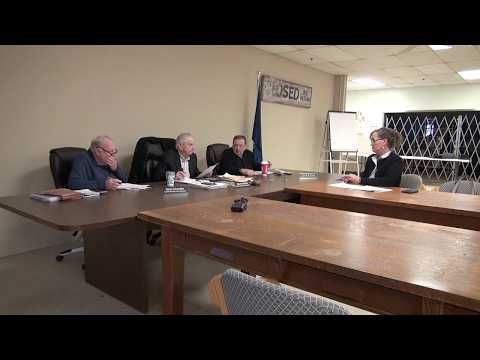
Carroll County commissioners debate banning county funding for agencies that also receive town funds; motion tabled
Summary
Commissioners spent an extended portion of the meeting debating a motion to notify outside agencies that the county will not support outside-agency funding in 2027 to prevent 'double dipping.' The motion drew both support and opposition and was tabled for one week so commissioners could review which agencies serve countywide needs.
A contentious debate over whether Carroll County should stop funding outside agencies that also receive town funding occupied a large portion of the board's March 13 meeting. Chairman McGee read a motion directing county staff to notify outside agencies via local newspapers that the Carroll County Commission would not support outside-agency funding for 2027 to eliminate what he called "double dipping." The motion proposed notifying publications including the Lonia Daily Sun and the Conway Daily Sun.
Supporters of the motion said the county should avoid paying agencies that towns already fund and that taxpayers should decide locally where charitable dollars go. Opponents, including other commissioners and the executive director, said some agencies provide countywide services that would not be covered by towns alone and suggested the county consider funding those specific services through line items in department budgets rather than through the outside-agency process.
The executive director and other speakers raised procedural concerns: the delegation subcommittee's recommendations had shifted between meetings, some agencies missed application deadlines, and the process appeared confusing for nonprofit applicants. Commissioners discussed policy language prohibiting "double dipping" but disagreed about whether a blanket ban was appropriate. Several commissioners asked for time to review the list of agencies and the subcommittee recommendations to identify programs that provide countywide services and those that are town-specific.
After debate, the board agreed to table the motion for one week to allow Commissioner Chandler and others time to review the materials and to return with proposed exceptions for agencies that provide direct, county-related services (for example, items that could instead be put on a department's line-item budget). No final policy change was adopted at the meeting.
What happens next: Commissioners will review applications and subcommittee recommendations and revisit the motion at the next meeting; if the board passes a directive it would be communicated publicly and the delegation's decisions may still override local recommendations.