Get Full Government Meeting Transcripts, Videos, & Alerts Forever!
Get email alerts on the Taxation topic
No spam. Unsubscribe anytime.
Torrington council adopts higher farm‑building tax exemption to ease strain on local farmers
Summary
After a public hearing, Torrington City Council approved a local option to raise the farm‑building tax exemption from $50,000 to up to $500,000, a change staff said will affect five buildings and reduce municipal revenue by about $9,700 annually while providing targeted relief to farmers.
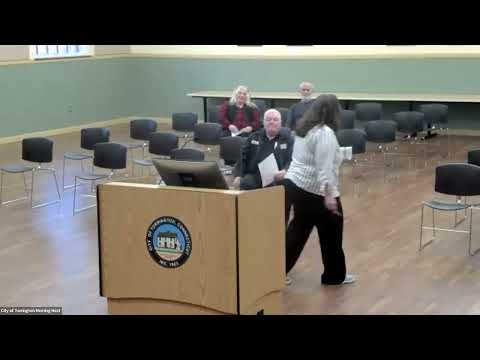
Torrington City Council on April 6 adopted a local option to increase the exemption for farm buildings under Chapter 187, Article 10 of the city code, expanding the single‑building exemption from $50,000 to $500,000.
The change, presented after a public hearing, will affect five buildings in town, staff told the council. The assessor said the additional exempted assessed value totals about $254,000, which the city estimates will reduce property tax revenue by roughly $9,700 a year. Officials characterized the municipal fiscal impact as modest and the benefit to affected farms as meaningful.
During the public hearing farmers and residents urged adoption. "I'm advocating all farmers, not just dairy farmers," said Butch Clug, who identified himself as a Torrington farmer and described reassessment increases that have raised building valuations. Raymond Royals, who said he owns property in town, asked the council to preserve open space and make small‑farm operations viable. "Anything to help the farmers would be a big positive," one commenter said.
Stacy, an assessment staff member, explained the local option and distinguished it from machinery exemptions created by state law: state Public Act 25‑152 increased the equipment exemption to $250,000 for the grand list, she said; tonight's item concerns the local option for farm buildings, which can be set as high as $500,000 under state law.
Council members framed the vote as an attempt to help a struggling sector. One councilmember recused themself from the vote and another abstained because of farmland ownership; the motion nevertheless passed during roll call.
The council adopted the ordinance amendment and moved on to other business. The change is a local option under state statute; implementation will require administrative steps by the assessor's office to apply the exemption to qualifying buildings.
What happens next: the ordinance will be incorporated into the city code. Farmers claiming the exemption should consult the assessor's office about filing and eligibility. The council did not identify further follow‑up actions at the meeting.