Get Full Government Meeting Transcripts, Videos, & Alerts Forever!
Get email alerts on the Caregiver Support topic
No spam. Unsubscribe anytime.
Witness says Medicare caregiver program provides respite for families caring for people with dementia
Summary
A witness caring for her mother with dementia described the emotional and practical strain of caregiving, praised treatment at UCLA and said Medicare’s caregiver program offers respite care — though it does not pay for caregivers indefinitely. She urged families to seek help.
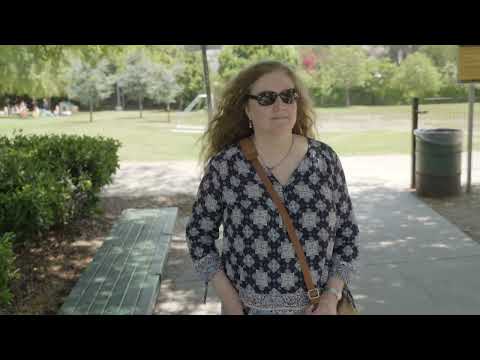
A witness who said she cares for her mother with dementia described the family’s decline and said a Medicare program offering respite care has provided relief.
"My mother, Nancy, was diagnosed with dementia about two years ago," the witness said, describing how her mother fell last year, has since become bedridden and now has limited communication but still recognizes close family members. The witness said she met another caregiver, Rebecca, about a year ago; Rebecca and her family left a health-care system they felt "was not able to provide the services that they needed" and came to seek care where the witness is connected with UCLA.
The witness praised the care she encountered: "The treatment at UCLA was like a light going off in an otherwise dark room. All of a sudden we felt there's hope. There’s resources." She said the biggest challenges for families and caregivers are offering the best care tailored to each patient and family, ranging "something as simple as how do they keep mom or dad entertained" to securing services that allow loved ones to remain safely at home.
On the subject of federal support, the witness said, "This is the first program that Medicare has ever done that really support caregivers. It provides respite care for them. It doesn't pay for caregivers indefinitely, but it allows people who are caring for people with dementia to get some time to themselves." No further policy details, program name, eligibility rules or funding amounts were specified in the testimony.
She closed with a personal appeal to other caregivers: "Don't be afraid to call and ask for help."