Get Full Government Meeting Transcripts, Videos, & Alerts Forever!
Get email alerts on the Governance topic
No spam. Unsubscribe anytime.
Council sends mayor‑pay charter amendment to voters after extended public hearing and debate over timing and oversight
Summary
After a lengthy public hearing and exchanges about charter language, accountability and local infrastructure needs, the City Council voted to put a home‑rule charter amendment on the ballot that would raise mayoral compensation effective for the term beginning Jan. 1, 2029; public commenters urged delay and broader charter review.
The New Iberia City Council voted to place a proposed amendment to the city’s home‑rule charter on the ballot that would raise mayoral compensation for the term beginning Jan. 1, 2029. The measure — described in council materials as an adjustment to mayor compensation subject to voter approval — prompted more than an hour of public comment and council discussion on governance, timing and related charter provisions.
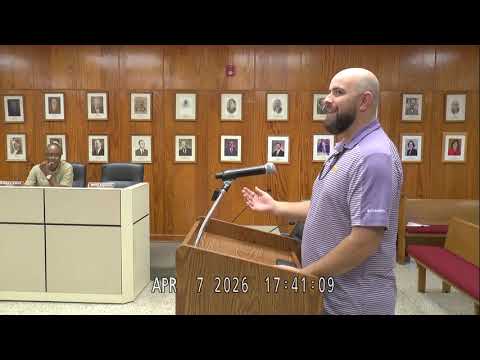
Public commenter Mr. Mars urged the council to delay, telling members the increase was premature and warning that charter language could allow a sitting mayor to obtain parallel civil‑service gains. “I think right now first of all it's early on to say okay, let's give the mayor's position a raise,” Mr. Mars said, urging council members to compare the old and new charters and to protect the public from unintended authority shifts.
Council members debated competing concerns: several said the mayor’s responsibilities have expanded and that increasing compensation could attract qualified candidates for a full‑time role; others emphasized infrastructure backlogs (roads, sewer) and the council’s responsibility to ensure accountability before raising executive pay. One council member noted that the charter language in the ordinance specifies the increase would take effect for the next regular mayoral term (Jan. 1, 2029), a point the mayor reiterated during discussion.
Several members urged voter input; the council’s motion to forward the amendment to the ballot reflects that approach. The public hearing also surfaced broader policy topics — sewer user fee history, franchise agreements and the charter’s treatment of certain contracts — that speakers asked the council to review separately.
Next steps: The council approved the motion to place the amendment on the ballot; staff and the city attorney will prepare the final ballot language and explanatory materials for voters ahead of the election.