Get Full Government Meeting Transcripts, Videos, & Alerts Forever!
Get email alerts on the Short Term Rentals topic
No spam. Unsubscribe anytime.
Neighbors urge tighter short-term rental rules as council weighs legal risks
Summary
Residents near Adair and Countess Adria told Leon Valley council that large short‑term rentals are eroding neighborhood life through noise, trash and parking problems. City attorneys said courts limit restrictive ordinances, and staff recommended targeted code enforcement and further legal review before changes.
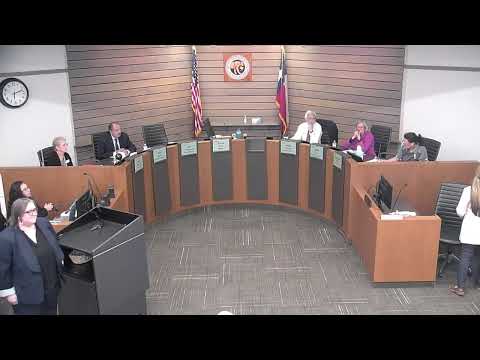
Leon Valley — Dozens of residents pressed the City Council on April 7 to tighten rules on short‑term rentals after neighbors described repeated weekend parties, overflowing trash and advertised occupancies of 16 to 26 people at nearby homes.
“I'm tired of being on a Saturday … I had a broken liquor bottle on the lawn and I had cigarettes on the lawn,” said Linda Mefford, who lives on Adair, during the public‑comment period. “I can't sit and drink my coffee.”
The meeting drew sustained testimony from neighbors in Castle Estates and nearby streets who said several houses converted into short‑term rentals (STRs) were being marketed as high‑capacity party houses. Roger Saucedo, a 35‑year resident, said one property advertises “26 beds” and that the behavior has been “every weekend, sometimes all week long.”
City staff and the city attorney cautioned that Texas case law narrows local power to treat STRs differently than other residential leases. “Short‑term rental is consistent with the use of a residential home,” the city attorney told council members, summarizing appellate decisions, and warned that more prescriptive local rules increase the risk of legal challenge.
Council members and staff outlined the tools that are currently available to residents: the short‑term rental registration and permit program, existing noise and parking ordinances, code‑compliance complaints, and platform enforcement (Airbnb/VRBO). Planning staff reported that the houses cited by neighbors currently have active city permits under the existing STR ordinance.
City Manager Caldera advised residents to document incidents through the non‑emergency police line and code‑compliance channels, and said some enforcement options can be pursued immediately. Police and code enforcement confirmed they will respond to noise, disorderly conduct and trash complaints and that repeated calls could form a record to justify stricter local rules.
Residents urged the council to consider concrete changes: shortening the allowed time for trash collection after events, clarifying what “block face” means in the permit cap, tightening renewal and insurance requirements for STR permits, and creating occupancy or bed‑count limits for properties marketed to large groups. Several speakers suggested a 30‑ or 60‑day renewal window, minimum liability insurance, and a ratio limit tying permitted occupancy to property size.
Council members asked staff to return with options and legal analyses for discussion at the council retreat. The mayor said the topic will be on upcoming agendas for further study and that staff will prepare: proposed changes to the STR ordinance phrasing (block face vs. block/radius), an examination of trash and nuisance enforcement timeframes, and a summary of potential legal risk.
The council did not vote on any ordinance changes on April 7; instead it asked staff to compile written options and background for deliberation at future meetings and the June retreat.
What happens next: Staff will prepare a package of ordinance options, legal guidance and recommended enforcement changes for council consideration at the retreat and subsequent council meetings.