Get Full Government Meeting Transcripts, Videos, & Alerts Forever!
Get email alerts on the Budget topic
No spam. Unsubscribe anytime.
Dover Area School District board adopts preliminary 2026–27 budget with 2% tax increase after close vote
Summary
After hours of public comment and internal debate over fund balance and future deficits, the Dover Area School District board approved a proposed final budget carrying a 2% tax increase for 2026–27 (vote 5–3). Directors debated whether to hold taxes steady or raise them to preserve reserves against a projected larger deficit in 2027–28.
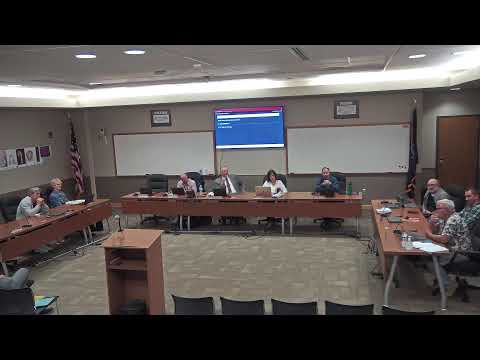
The Dover Area School District Board of Directors voted 5–3 on May 14 to adopt a proposed final budget for 2026–27 that includes a 2% real-estate tax increase, after several failed motions for higher and zero increases.
The decision followed detailed financial presentations and extended deliberations in which district business manager Mrs. Weaver told directors the current unassigned fund balance stands at about 7.9% (roughly $6 million) and warned of a projected deficit of roughly $5.5 million in 2027–28 if no revenue adjustments are made. “As of tonight, we have enough money in our fund balance. We can run the school next year. I’m going to vote against a tax increase,” said Vice President Kig during the debate, voicing concern for taxpayers.
Directors who supported an increase framed it as a preventive step to protect programs and jobs. “We’re trending toward a much worse position next year,” said Director McKenna, who led the 3.5% motion earlier in the meeting and later supported the 2% compromise. Supporters said modest revenue now buys time to avoid deeper cuts or staff furloughs later, and would slow the pace at which the fund balance declines.
Board members debated three options presented by administration — 0%, 2% and 3.5% — before voting. A motion to raise taxes by 3.5% failed on a 4–4 vote; a motion to keep taxes at 0% also failed. Following further discussion the board approved the 2% option (5 yes, 3 no). The board noted the district’s fund-balance policy goal of maintaining an unassigned balance between 3% and 8% of the budget and that the chosen option keeps the district within that range for the coming year, while acknowledging uncertainty about state aid and local revenue in later years.
Mrs. Weaver said that if revenue were to exceed estimates in future years, the board could reconsider and reduce rates for subsequent budgets. Board members also raised broader concerns about uncontrollable cost pressures — special-education tuition, benefits, utilities and cyber-charter costs — and the challenge of balancing program needs with taxpayers’ capacity.
The board’s action sets the proposed final budget and tax rate for public notice and the required procedural steps before the June final adoption. The preliminary decision does not yet finalize final tax bills for property owners; the board will revisit the budget in its upcoming public sessions as required by state law.