Get Full Government Meeting Transcripts, Videos, & Alerts Forever!
Get email alerts on the Student Transportation topic
No spam. Unsubscribe anytime.
Parents urge study of hazardous walking routes; committee declines to forward study to full board
Summary
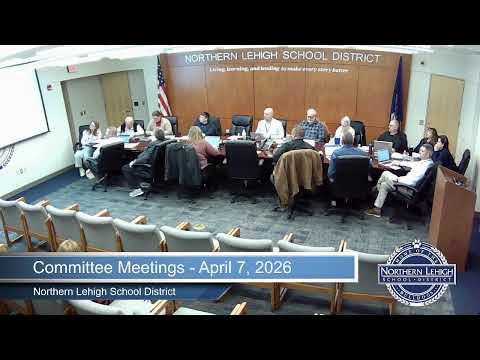
After a detailed presentation on PennDOT criteria for hazardous walking-route designation and public testimony from Walnut Court residents about dark, sidewalk-free routes and train crossings, the committee voted not to send a proposed traffic/engineering study to the full board for Monday's agenda.
Dr. Link, the district official leading the walking-route review, told the committee that Pennsylvania code (PennDOT, PA Code chapter 44/447) defines hazardous walking routes using engineering factors such as vehicle counts in 15-minute intervals, roadway width, lack of sidewalks, uncontrolled crossings, train-track crossings and pedestrian-accident history. He said the state counts include a threshold of roughly 175 vehicles per 15 minutes for some secondary routes and that the district can submit proposed routes for PennDOT review, but PennDOT makes the final hazardous designation.
Dr. Link also outlined potential costs if routes are certified hazardous and the district must provide transportation: one additional bus is roughly $70,000 per year, and the district estimated up to $350,000 annually if five buses were required to cover all of Slington under certain scenarios. He said the district had solicited engineering quotes for a walking-route study that ranged from about $10,000 to $45,000 depending on the scope.
Three Walnut Court residents and a former teacher provided public comment describing dark, sidewalk-free walks, train crossings and inconsistent crosswalks near S. and Center Street. They argued that many students would face long, unsafe walks, particularly when trains run in the early morning and sidewalks are obstructed by snow or incomplete construction. One resident said her child's Google-Maps walking time to the middle school was about 38 minutes and reported seeing trains around 6:30 a.m.
Board and committee members debated options. Some members urged an engineering study so experts could rule definitively; others warned that a study might create an obligation to add transportation at a high recurring cost and shift the fiscal burden onto taxpayers. Committee members also discussed whether the district could reduce the two-mile walking threshold and the legal and subsidy limits of PennDOT. Several committee members argued that sidewalks and lighting are municipal responsibilities rather than the district's.
After discussion and roll-call statements, the committee reported that it did not have enough support to place the study authorization on the full-board agenda. Administration said it would consider the committee's direction and not bring the traffic study forward at this time.
What comes next: The committee decision means the district will not authorize the suggested engineering study at this time. Residents who testified urged they will continue to press the district and their municipalities for solutions. The district said it could revisit the question if further direction emerges or if circumstances change.