Get Full Government Meeting Transcripts, Videos, & Alerts Forever!
Get email alerts on the Municipal Budgeting topic
No spam. Unsubscribe anytime.
Alton selectmen weigh staffing cuts and a special budget after voters reject 2026 budget and revaluation reserve
Summary
After voters rejected the 2026 operating budget and a capital reserve for the five‑year revaluation, Alton town officials discussed two paths: operate under the default with targeted staffing freezes and reallocation, or pursue a modified operating budget via a special meeting with statutory steps. Staff warned of service impacts and an estimated $100,000‑$126,000 revaluation cost.
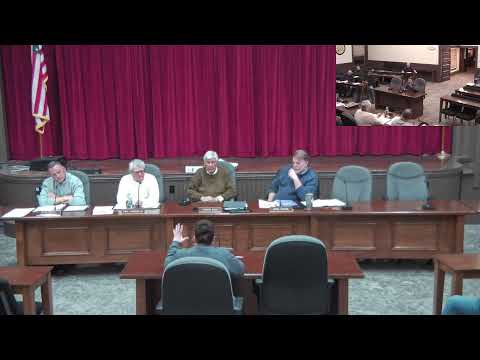
Alton — Town officials on March 18 told the Board of Selectmen they face stark choices after residents rejected the proposed 2026 operating budget and a separate warrant to establish a capital reserve for the required five‑year property revaluation.
Town Administrator told the board that the votes left the town in a third consecutive year of default and that, while the revaluation must proceed under state law, funding and timing are now uncertain. He said the last revaluation cost about $82,000 and that this year’s work is estimated in the roughly $100,000–$126,000 range, depending on scope and mailings.
“This is a state law — we’re required to conduct the reval every five years,” the Town Administrator said, noting the town could seek a one‑year delay from the Department of Revenue Administration but called that option unlikely to succeed. He advised the board that delaying could expose the town to fines likely to exceed the cost of the revaluation.
The administrator described two principal paths forward. One, “circle the wagons,” would mean reallocating funds and maintaining core services under the default budget; that approach will likely include a hiring freeze, leaving some positions vacant and stretching existing staff. The administrator said the town may be “close to nine positions down” across departments and cautioned that some one‑person departments (for example, the planner) should not be left unfilled.
The second option is to pursue a modified operating budget through the statutory special/revised budget process. The administrator explained that the special meeting route is legally permitted for a modified operating budget but requires an accelerated line‑item process, review by the budget committee, deliberative session(s) and compliance with statutory timing that could push a final vote into late spring or early summer. Staff estimated the hard cost of running the special meeting process (ballots, advertising and related hard costs) might be about $5,000 in addition to staff time.
The board discussed a middle‑path proposal that would present a modified budget roughly halfway between the failed proposal and default (the administrator said the original proposal was about $950,000 above default and a compromise might aim for approximately $475,000 above default). Selectmen emphasized they will meet department heads at the next meeting to identify specific reductions, preserve essential staffing where possible, and see whether targeted changes can reduce service impacts while increasing transparency for voters.
The board also discussed the treatment of recently created positions. Four full‑time firefighter positions had been approved by a separate warrant article last year; with the budget votes they currently lack continuing funding, and the administrator said preserving at least the two already staffed firefighting positions will be a high priority if the default path is used.
Next steps: staff will bring department‑level proposals to the board at the next meeting so the selectmen can decide whether to pursue the modified budget/special meeting route or operate under the default and implement hiring freezes and reallocations.