Get Full Government Meeting Transcripts, Videos, & Alerts Forever!
Get email alerts on the Permitting Reform topic
No spam. Unsubscribe anytime.
Subcommittee chair warns federal takeover of transmission permitting would raise costs and undermine states
Summary
At a House Committee on Energy and Commerce subcommittee hearing, the chair argued federalizing transmission permitting would "usurp state authority," increase costs for consumers and slow project delivery, and urged state-led planning and carefully targeted permitting reform.
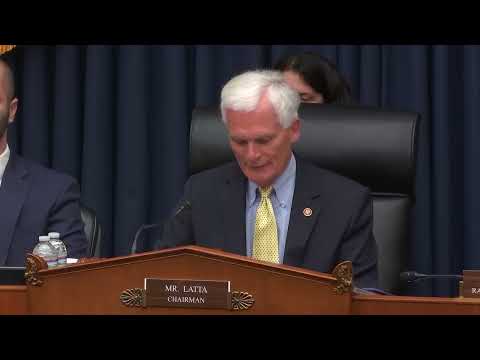
The chair of the subcommittee opened the hearing by urging caution about proposals to federalize transmission permitting, saying such changes would "usurp state authority" and shift costs onto consumers.
"The witnesses before us will provide practical insights into why states need to maintain authority over permitting decisions," the chair said, framing the hearing as part of the subcommittee's work to modernize the power sector and address reliability and affordability challenges.
The chair said demand for reliable energy is rising faster than at any point in history, citing needs for power to support industries such as artificial intelligence and manufacturing, and argued the country needs more generation and transmission. He warned that multistate interregional transmission projects can carry "billion dollar price tags" and introduce engineering complications that raise costs and can undermine system reliability.
On federal permitting the chair said transmission development is often "impeded by the weaponization of federal environmental permitting laws that extend project timelines and raise costs," and argued those costs are ultimately borne by ratepayers. He summarized prior testimony the subcommittee has received from organizations such as NERC and grid operators about a reliability crisis and ongoing affordability pressures on American families.
The chair characterized current planning practices as broadly bottom-up, saying they produce "the most cost effective and reliable options to connect generating resources to load centers," and cautioned that some policy choices increasing reliance on intermittent resources have contributed to stranded assets and backup needs during extreme weather.
He called for permitting reform that correctly diagnoses the practical barriers to efficient transmission development and emphasized that states, utilities and grid operators should play leading roles in those decisions rather than a federal takeover. The chair concluded by yielding back his time; the hearing proceeded to witness testimony.