Get Full Government Meeting Transcripts, Videos, & Alerts Forever!
Get email alerts on the Policy Bullying Hazing topic
No spam. Unsubscribe anytime.
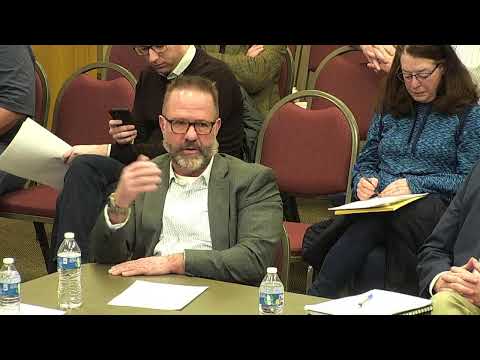
Wasatch school board reviews employee bullying and hazing policy, presses for clearer reporting rules
Summary
The Wasatch County School District board reviewed a draft employee bullying and hazing policy intended to be adult-focused, questioned the use of the word “promptly” for reporting and investigation timeframes, and discussed monitoring, documentation, UPAC reporting and bystander responsibilities. Staff will revise the draft and return it to committee.
The Wasatch County School District board examined a proposed employee bullying and hazing policy intended to separate adult-directed conduct from the district’s student-focused policy and to clarify how adults who bully students or staff are handled.
Board members raised multiple concerns about definitions, reporting timelines and the mechanics of follow-up. Several directors urged specific timeframes for reporting and investigation rather than the draft’s model-policy wording that uses the term “promptly,” arguing that administrators and complainants interpret that differently depending on circumstances. Staff said the draft draws heavily from the state/model language and that lawyers often recommend flexible wording to avoid imposing unreasonable expectations on administrators during investigations.
The discussion also covered the policy’s scope and related procedures. Staff said physical restraint and sexual-conduct matters are typically handled under the district’s sexual-harassment and ethical-conduct policies, though the employee policy could include cross-references or specific language if the board wants greater clarity. Directors asked that the draft more clearly link the employee policy to the student policy and to the district’s Title IX procedures where sexual misconduct is alleged.
Sean, a district representative, described the reporting relationship with UPAC — the state licensing board for educators — and emphasized that complaints that are substantiated can follow an educator. “UPAC is the licensing board for teachers…there’s a hotline that they use,” he said, noting the district’s obligation to report certain complaints under recent law.
Board members pressed for stronger documentation protocols. Staff described work to improve electronic records in the student information system (SIS) and to provide fillable PDF forms so verbal reports are consistently followed by written documentation that can later support investigations or legal needs.
Other subjects included whether the district should list specific disciplinary ranges in policy versus leaving details to procedures, bystander responsibilities, and how social-media or personal-phone evidence should be handled in investigations. Staff noted that some districts request access to personal devices when allegations implicate communications but that device access practices vary and raise legal/privacy considerations.
Next steps: staff will incorporate the board’s feedback, circulate a revised draft to the board and return the policy to the curriculum committee for further review before placement on a future public board meeting agenda for action.