Get Full Government Meeting Transcripts, Videos, & Alerts Forever!
Get email alerts on the Student Safety topic
No spam. Unsubscribe anytime.
Goose Creek CISD community presses board on student safety after Sterling High student's death
Summary
Students and community members urged Goose Creek CISD trustees to strengthen campus discipline, transparency, and alternative placement after the Dec. 17, 2025 death of Sterling High student Andrew Meismer; district officials outlined next steps, including reviewing campus behavior coordinator roles and follow-up meetings with a student advisory committee.
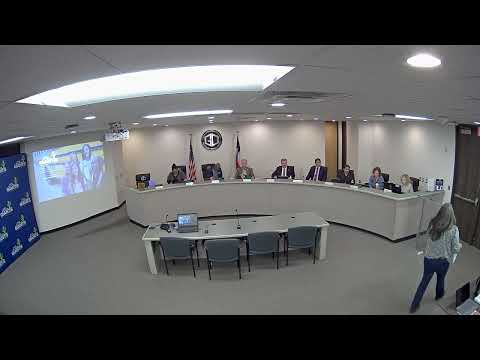
Students, parents and community advocates used the district's citizens-participation period and a superintendent report at the January 2026 Goose Creek CISD Board of Trustees meeting to press trustees for immediate and structural changes to campus safety following the death of Sterling High student Andrew Meismer.
Several speakers described gaps in communication, inconsistent discipline, and failures of local response. "We often say it takes a village to raise a child. So my question is, how do we build that village within our school district to keep our children safe?" Baytown parent Desiree Klaus said. Freshman Kenzie Stringer recounted the Dec. 17, 2025 incident and criticized how the school handled information afterward: "The door to an empty classroom was left unlocked... School continued on the 17th and the remaining two days of the semester that followed. Finals were not cancelled or postponed."
At least one speaker directly alleged prior mishandling by school investigators. Jennifer Bennett said her son was arrested, charged and later cleared in a separate case and argued district investigatory practices harmed students: "My son was not afforded due process... After filing a formal complaint, the district did a Title N investigation and found in Gavin's favor... the charges were dropped. Unfortunately, the damage was done."
Community organizer Jesse Harden urged legislative action and an interim local policy. "We're going to call it Andrew's law," he said, proposing coordinated state-level action to require certain assault charges be prosecuted and asking the board to adopt an interim rule ensuring students who remain on campus after alleged assaults have a one-on-one adult chaperone.
District staff and trustees responded during a presentation by the newly formed Student Safety Advisory Committee and the district's executive director of community engagement. Kendall David said the advisory—formed with members of the Baytown Safety Coalition and student leaders—met with 14 students to identify three priorities: a dedicated campus behavior coordinator (CBC) trained in de-escalation, a stronger alternative education program focused on rehabilitation and readiness to return, and more timely, clear communication with students and families.
"Ultimately," the presentation said, "the summary from their feedback is that silence feels unsafe." Administrators listed immediate and next-step actions: review and possibly revise the CBC role (state law designates a CBC but the district currently lists the principal in that role), conduct an internal review of discipline and removal practices (including special education considerations), and make crisis updates and campus communications more visible via the district 'newshub' and ParentSquare.
Board members pressed for concrete measures and metrics. Trustees and staff discussed restroom supervision, unmonitored areas, how to measure success (reduced incidents and student feedback) and legal limits set by state statutes. Administrators said some notices and social-media updates had already been posted since the advisory formed and that further follow-up meetings with the student advisory committee are scheduled in coming weeks to refine implementation.
What happens next: the district will continue the student safety advisory work across campuses, examine the CBC job description and responsibilities, review alternative placement practices, and convene additional meetings to collect student feedback and measure whether administrative actions address the concerns raised.
The board did not take formal policy action at this meeting; trustees indicated they expect continued updates and follow-up presentations.