Get Full Government Meeting Transcripts, Videos, & Alerts Forever!
Get email alerts on the Literacy Screening topic
No spam. Unsubscribe anytime.
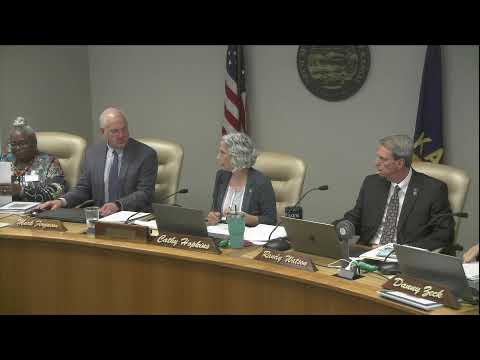
KSDE outlines RFP to implement legislature’s single statewide literacy screener, warns of costs to districts
Summary
Staff told the Kansas State Board of Education that a new law requires a single statewide universal literacy screener; KSDE will issue an RFP to procure a tool, but districts will face implementation and training costs and expanded reporting requirements beginning this fall.
Kansas education officials outlined how they plan to implement a legislative requirement for a single statewide universal literacy screener and what districts should expect.
KSDE officials said House Bill 2485 requires districts to use a single statewide screening tool to identify reading risk across many grade levels starting in the 2027–28 school year. Because the statute provided no dedicated statewide funding, KSDE staff explained they will issue a request for proposals (RFP) to negotiate a statewide rate and reduce district procurement costs.
Laurie Curtis and other KSDE staff described the technical and instructional criteria they will include in the RFP: nationally normed instruments, validity and reliability for grade-level subskills, instructionally useful reports for teachers and families, and robust vendor professional learning supports. The department emphasized that a screener identifies risk and is not, by itself, a dyslexia diagnosis.
Key timeline and reporting elements discussed: districts will begin collecting fall screener data this year (using approved tools) and report expanded grade-level data (preschool through eighth grade) to the state; KSDE plans to finalize screener criteria this fall, choose a tool by January and have districts ready for statewide implementation the following school year. The law also requires individualized literacy plans for students K–3 identified as high risk in the fall, with reporting on exits in spring.
Board members repeatedly asked who would pay for district transitions, noting many had already paid for assessment platforms. KSDE said the RFP seeks negotiated pricing and noted some legislative funding for a current vendor (FastBridge) that might carry forward to mitigate costs.
Members asked whether the screener could work across curricula; KSDE replied that a screener is meant to flag risk (not replace curriculum) and that districts will need to align interventions to local curricula. Officials also said they will provide the screener criteria and rubric for public review and will invite stakeholder feedback.
The board did not vote to select a tool; staff presented the RFP approach for guidance and will return with selection and implementation planning.