Get Full Government Meeting Transcripts, Videos, & Alerts Forever!
Get email alerts on the Animal Control topic
No spam. Unsubscribe anytime.
Sunbury City reviews proposed ordinance to regulate feeding of feral cats; TNR supporters press for exceptions
Summary
Sunbury City council discussed a draft ordinance to limit feeding of free-roaming cats but retain an exception for Trap–Neuter–Return (TNR) work; volunteers and residents urged permitting and local-resource lists to support humane TNR and reduce populations over time.
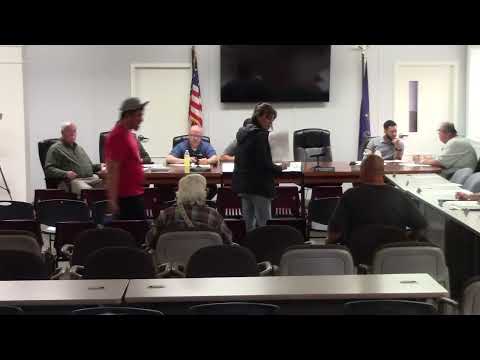
Sunbury City council members spent the opening portion of their work session reviewing a draft ordinance that would restrict feeding of free-roaming cats while carving out exceptions to allow feeding when it facilitates Trap–Neuter–Return (TNR) work. Chair led the discussion and invited residents and volunteers to comment.
A resident recounted a neighborhood incident in which a dog killed a cat and urged stronger cruelty provisions. A presenter who described herself as working with multiple-cat households told the council that "TNR is really the best solution to getting the cat population reduced" and urged provisions in the ordinance to support trapping, spaying or neutering, and returning animals to their colonies rather than forcing relocation.
The Chair said the draft already includes an exception allowing feeding "to trap them to get the neuter," and council members discussed adding a permit or certificate for volunteers who perform TNR work so neighbors and code staff can recognize authorized participants. Council also asked staff to compile a list of local resources mentioned in the meeting — including the SPCA and Sunbury Animal Hospital — and to post contact information on the city's code office web page.
Volunteers described logistical barriers to TNR, including long wait times for appointments at the local SPCA and the burden of drop-off/pick-up windows on volunteers who work full time. A council member suggested the city could provide an informational referral list rather than a drop-off site to avoid becoming a centralized intake point.
Council members framed the proposal as a starting point and invited specific amendments to balance neighbor concerns, public-safety complaints and volunteers' efforts. No formal action or vote was recorded; the Chair said the council is open to suggested language changes and would bring the ordinance back for further consideration.