Get Full Government Meeting Transcripts, Videos, & Alerts Forever!
Get email alerts on the Alcohol License topic
No spam. Unsubscribe anytime.
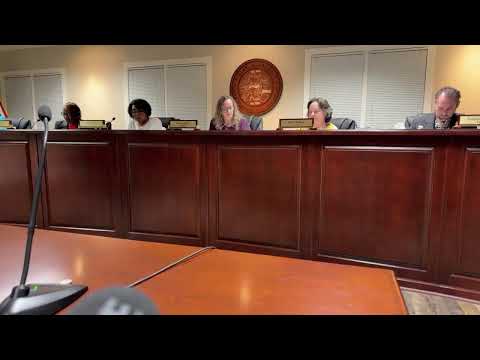
Council tables Deerfoot Parkway liquor‑license decision amid legal questions about local limits
Summary
The Clay City Council discussed an application for an alcoholic beverage license at Deerfoot Parkway and, after residents and owners debated proximity and local limits on package stores, voted to table the resolution so the city attorney can research applicable state code and case law.
The Clay City Council on May 12 took up an application for an alcoholic beverage license for a proposed Liquor Discount at Deerfoot Parkway (Suite 102) but voted to table the decision so the city attorney can review whether local ordinances limiting the number of package stores are constitutional or preempted by state law.
The applicant and a property owner each spoke in favor of the business, arguing it would add tax revenue and jobs. Neighbors and competing business owners raised concerns that granting an additional license could exceed the city's numerical limits on package stores and cited a judicial decision they said struck down similar municipal caps.
Council discussion turned to whether the city's ordinance that limits lounge/retail (Class 2) licenses to three within a one‑mile radius and four in total citywide is enforceable. City legal counsel (speaker 17) said he would need to review the case law and relevant code section (cited in the meeting as Code section 28‑1‑6) and could not advise definitively at that time. One councilor recommended tabling the resolution until counsel completed that review; the motion to table passed on a recorded voice vote.
The applicant said he had not yet received a state liquor license and that city approval was a step the applicant expected to present to the state. The council recorded the motion to table so counsel could return with advice on statutory preemption, case law applicability, and whether any local ordinance must be amended before action.
Next steps: The matter remains on the table and will return to a future council agenda once the city attorney reports back with legal analysis and any recommended ordinance changes.