Get Full Government Meeting Transcripts, Videos, & Alerts Forever!
Get email alerts on the Housing Policy topic
No spam. Unsubscribe anytime.
Burr Ridge trustees unanimously oppose governor27s BUILD housing proposal, citing loss of local zoning control
Summary
The Village of Burr Ridge board approved a resolution opposing the governor27s BUILD initiative, which staff said would preempt municipal single-family zoning and permit "missing middle" housing on small lots; the resolution passed 6-0.
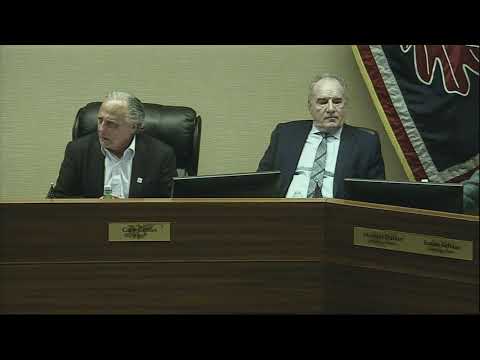
Mayor Grasso and the Village of Burr Ridge Board of Trustees voted unanimously May 11 to approve a resolution opposing the state27s BUILD housing initiative, saying the proposal would take away local control over single-family zoning.
Evan, a village staff presenter, told the board that "if BUILD were to pass the assembly as stated, all single family zoning would be preempted in the state of Illinois," allowing duplexes and small multiunit buildings on lots the bill would deem eligible. The draft resolution states the village opposes the measure as written and asks for further consideration of housing strategies that preserve local review and infrastructure oversight.
Mayor Grasso said the proposal threatened residents27 due process and local zoning authority, calling the approach "not good law" and urging vigilance as the legislative session closes at the end of May. Longtime resident and former planning commission chair Bob Grela urged trustees to "keep Burr Ridge a very special place," telling the board the measure would "destroy the very fabric of every community by removing local control."
After discussion the board moved, seconded and approved the resolution by roll call vote 6-0. The resolution will be forwarded to the Illinois Municipal League and other municipalities registering opposition. No legal action or ordinance change was enacted tonight; the measure is a formal statement of position from the village.
What27s next: staff and trustees said they will monitor the state legislative calendar and work with regional municipal organizations to provide formal input to Springfield before the end of the session.