Get Full Government Meeting Transcripts, Videos, & Alerts Forever!
Get email alerts on the District Finance topic
No spam. Unsubscribe anytime.
Selah School District ends 2023–24 in the black, but four-year forecast signals continuing funding pressure
Summary
Officials reported a small surplus for 2023–24 (about $62.9M revenue vs. $62.4M expenditures), a $1.8M reserve, and $6.7–$7.5M in capital-projects funds including recent state match; the board was briefed on debt, a four-year reserve forecast, and a February 2026 levy plan.
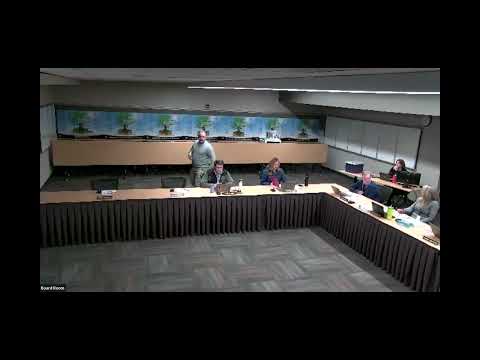
Selah School District’s finance staff told the board on Dec. 12 that the district closed the 2023–24 fiscal year with a modest surplus and several budgetary reserves but faces ongoing funding pressure over the next four years.
Chris and Stephanie (district finance/operations presenters) reported district revenue of about $62.9 million and expenditures near $62.4 million, producing a positive net fund balance for the year. They attributed the better-than-expected result to a combination of unspent budgeted capacity, program carryovers, savings on travel and supplies, additional state funding recognized during the year, and levy support intended to offset program overages such as special education.
The presenters summarized reserves and fund specifics: the district ended the year with an approximate $1.8 million cash/reserve balance held under board parameters; the capital projects fund held roughly $6.7 million (later slides and state match payments raised the total reported capital balance nearer to $7.5 million); and the debt service fund carries outstanding voted bonds that the presenters listed as the district’s long-term debt obligation. The district noted a four-year forecast that, absent additional revenue or further reductions, could substantially reduce reserve levels over time.
Board members asked whether enrollment projections that feed staffing decisions are included in the forecast; staff said enrollment is already factored and they are projecting about 78 fewer FTE in the coming year relative to current levels. The presenters also reminded the board that several bargaining groups (classified and administrative) will bargain next spring and that state-level decisions during the upcoming legislative session could materially affect district funding.
District leaders also noted near-term financial planning steps: use of carryovers for targeted capital needs (for example, a planned new walk-in freezer for a kitchen), continuing to prioritize reductions through attrition rather than layoffs where feasible, and preparing a levy measure that will go before voters in February 2026 to maintain program funding.
There was no formal board vote tied to new appropriations at the meeting; the board accepted the reports and scheduled further planning and a capital-focused study session in February.