Get Full Government Meeting Transcripts, Videos, & Alerts Forever!
Get email alerts on the Polling Locations topic
No spam. Unsubscribe anytime.
Mukwonago board and municipal officials weigh moving large elections to high school; no action taken
Summary
Board members and municipal officials discussed shifting large polling places from elementary schools to the high school to ease logistics and avoid cancelling elementary instruction; they raised concerns about parking, ADA access, security and voter confusion and agreed to continue planning with no vote tonight.
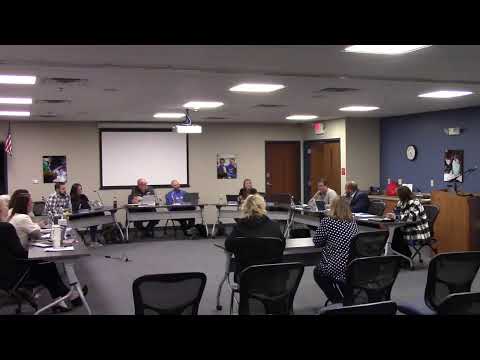
At a Mukwonago School Board workshop on Oct. 14, board members and municipal officials explored whether to move large election polling places out of elementary schools and onto the high school campus, citing space, parking and instructional‑minute concerns. The session was a workshop; no motion or vote was taken.
The board and village officials discussed alternatives, including keeping smaller elections at the village hall or fire department and using the high school for high‑turnout statewide races. Kathy Carlowitz, introduced as town administrator and clerk‑treasurer, said municipalities have handled most non‑presidential elections at village facilities but that presidential and gubernatorial contests create significant turnout and logistical strain for elementary sites.
Village officials said they are in preliminary stages of exploring land and building options that could house election operations, but local policy constraints may apply. One official noted the village passed a resolution that would require elector approval for expenditures above roughly $3.3 million, a threshold that would affect large capital projects to add polling capacity.
Speakers described several practical obstacles to holding large elections at elementary schools: limited parking and drop‑off circulation, the need to protect children, and the possibility of cancelling elementary instruction on election days if facilities are used. Board members and administrators said the high school could be used for large elections with less instructional disruption; the district could designate a virtual instruction day there while keeping elementary schedules intact.
Officials discussed site logistics at the high school: using the West gym and the Performing Arts Center foyer to segregate different municipal precincts and relying on side parking that includes ADA‑accessible spaces. They cautioned that even with signage and mailed notices, voters often continue to show up at familiar sites, producing confusion. One official estimated that modifying a distant park access path to meet handicap and lighting requirements could cost in the neighborhood of $70,000 if off‑site parking were used instead of nearby lots.
Security planning and law‑enforcement coverage were also raised. Board members said officers routinely do walkthroughs; municipalities contract sheriff coverage for large election days and can add extra staffing, but officers generally do not remain posted at building entrances for the full day. Officials emphasized planning for segregation of voting spaces, volunteer staffing needs and clear signage to reduce voter confusion when precincts share a building.
Participants agreed to bring the high‑school option back to the full board and incorporate it into strategic planning discussions; they noted there is nearly two years before the next large statewide election to resolve logistics if the board chooses to change polling locations. The workshop ended with no formal action taken and plans for follow‑up work between district and municipal staff.