Get Full Government Meeting Transcripts, Videos, & Alerts Forever!
Get email alerts on the Thai Cdc Documentation topic
No spam. Unsubscribe anytime.
Thai Community Development Center documents Thai Town history for Library of Congress archives
Summary
The Thai Community Development Center used an American Folklife Center grant to record 51 interviews, create a short documentary and publish community histories to document Thai American life in Los Angeles; presenters emphasized youth engagement, labor-rights histories and the project's role in overcoming community invisibility.
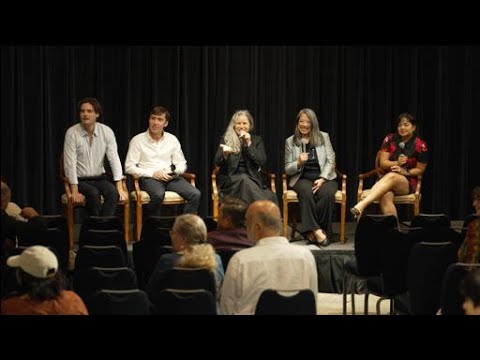
The Thai Community Development Center (Thai CDC) presented its Library of Congress-supported documentation project, describing a multi-part effort that included 51 interviews, a short documentary and a community history book.
Chancee Martorell, founder and executive director of Thai CDC, said the project's goals were to make Thai American history visible, strengthen diaspora belonging and create materials accessible in both Thai and English. "We want the Thai community to overcome its invisibility factor," she said, noting the project archives will reside in the Library of Congress.
Presenters described Thai CDC's origins after the 1992 Los Angeles civil unrest and the 1994 Northridge earthquake, and outlined a broad mission spanning community economic development, human-rights advocacy, affordable housing and cultural placemaking. Martorell recounted a seven-year campaign that led to the City Council's unanimous designation of Thai Town in East Hollywood (official designation on October 27, 1999) and said the Songkran festival now draws large crowds.
The project team described methods and outputs: bilingual interviews (Thai and English, subtitled), event B-roll (Songkran and temple events), metadata and a project tracker. Panida Rzonca (project manager) and Anita Johnson (who identified herself as Directing Attorney and project manager) said the team faced scheduling and technical challenges and requested an extension to complete interviews; they credited a hired film crew for capturing events and said they compiled a spreadsheet of metadata and transcripts.
Presenters also highlighted oral-history subjects, including a survivor from the El Monte garment trafficking case, Thai diplomats and leaders, small-business owners and cultural practitioners. "We were able to interview one of the survivors from that case to document her story," a presenter said, noting the project's archival and evidentiary value for human-rights histories.
Audience questions focused on intergenerational engagement and power structures. Chancee detailed youth-focused programming including a city-funded 'Artivism' artist-in-residence program, an internship pipeline with local universities and an activist training program that teaches organizing and media strategies. She said Thai CDC's advocacy work sometimes attracts dangers: "I've received death threats many times because of all the human rights work I've done over the years," she said, adding the threats have not deterred the organization's work.
Presenters said community reaction to Library of Congress deposit has been one of pride and surprise; a contact from Salt Lake County had already reached out seeking access before the materials were publicly available. The session closed with thank-yous from American Folklife Center leadership and an invitation to return for AFC's 50th anniversary events.