Get Full Government Meeting Transcripts, Videos, & Alerts Forever!
Get email alerts on the Cultural Preservation Danzas topic
No spam. Unsubscribe anytime.
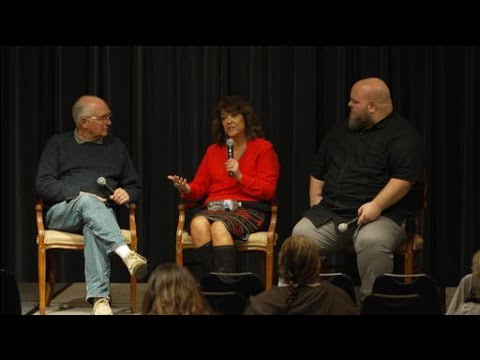
Yvette Cohn Storr chronicles Matachines and Genizaro dances in New Mexico for AFC archive
Summary
Genealogist and presenter Yvette Cohn Storr described her 2024 Community Collections Grant documenting Los Matachines and reclaim dances of the Genizaro, preserving ritual roles, music, and oral histories for communities and future educational outreach.
Yvette Cohn Storr presented her 2024 Community Collections Grant project, Sustaining and Reclaiming Cultural Danzas: Los Matachines y Los Comanchitos, describing a year-and-a-half of documentation across New Mexico mountain villages and mission churches.
Storr said the collection records 250 items, films of processions and plays (Ensaye), interviews with danzantes and musicians, and transcribed explanations of traje (traditional dress) and regalia. She emphasized that many small villages maintain these dances through oral transmission tied to mission-church fiestas (Visperas, mass, procession) and that the collection aims to produce a permanent record so communities and youth can access and continue the tradition.
Storr traced the dance's historical roots to Spanish Las Moriscos traditions and explained how characters within the danza (Danzantes, Monarca, Malinche) carry symbolic meanings; she also narrated the project’s effort to document Los Comanches/Los Comanchitos and the reclaim dance connected to Genizaro identity (descendants of captives assimilated into colonial villages). Storr said the collection includes a song corpus acquired from a participant (El Comanche) and interviews with Hermandad/Penitentes members who rarely grant access.
In response to questions about music, Storr said the Musicos were documented and described a common ensemble (violinist and guitarist) that accompanies processions and the Ensaye play; she said the repertoire is passed down orally and in some cases exists only in memory. Storr told the audience she will present findings at the New Mexico Genealogical Conference in October and plans to create a documentary version of the collection for schools and museums to support intergenerational learning.
During audience remarks an attendee who identified herself as Kimberly Weezer described personal family history tied to captive-taking and recommended writers whose work complements Storr’s collection; Storr and other audience members reflected on the projects' personal impacts and the importance of metadata for long-term preservation.
Storr closed by thanking AFC staff and collaborators and noting the urgency of documenting these oral traditions before generational loss occurred.