Get Full Government Meeting Transcripts, Videos, & Alerts Forever!
Get email alerts on the Workforce Development topic
No spam. Unsubscribe anytime.
City and unions stress training pipeline as hundreds of jobs come online
Summary
Economic development staff, union representatives and training providers said training is available but that nontechnical barriers and limited local outreach are preventing many Gary residents from filling construction and manufacturing jobs. They urged sustained partnerships with schools and apprenticeships to prepare residents.
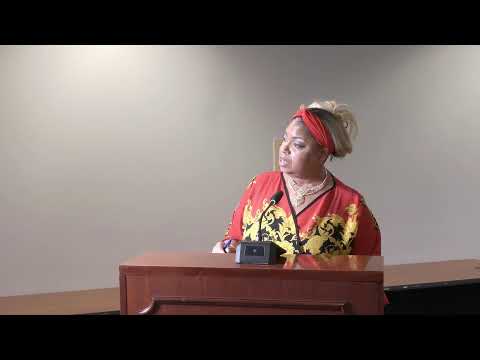
City economic development staff, union leaders and training providers told a community meeting on Feb. 25 that the city faces a bottleneck between available training and residents' ability to take jobs.
"There is no lack of training. You can if you want the job, you can get the job," said Britney Bugs, economic development specialist, as she described partnerships with the Center for Workforce Innovations, Goodwill and employers to identify gaps.
Union representatives and trade instructors emphasized mentorship and pathway programs. "Stop making excuses. I am that example," said Travis Williams, representative for the Carpenters Union, urging residents to apply to apprenticeship and pathway programs and to use mentoring and local trade resources.
Panelists identified nontechnical barriers—child care, second‑chance hiring, transportation and mindset—as obstacles that training alone does not solve. Staff said some projects that receive public benefits (tax increment financing or abatements) typically include compliance or hiring stipulations; otherwise those requirements vary by contract or redevelopment commission approval.
Education and early engagement were highlighted as critical: instructors and local program leaders described building tiny houses and repeating hands‑on projects in high school and community programs to give students real construction experience. One local mentor said his "Blueprint for Success" program helped teens improve grades and engage them with trade work.
What residents can do: Bugs and trade representatives encouraged residents to attend monthly networking events (every third Thursday at Realcat Stadium) and to email Britney Bugs for job‑pipeline signups and individualized assistance.
Next steps: Panelists recommended coordinating pathway programs with neighborhood schools and building sustained communication channels so residents know when hiring is available and how to prepare in advance.